Plan beyond the hourly rate.
Guides to the commercial and operational side of plant hire: matching fleets, wet versus dry hire, mobilisation, ground bearing, servicing, standby terms, operator readiness and demobilisation. Use them to make supplier quotes comparable.
New: the buying briefs
Fifteen focused guides for choosing a package, comparing quotes and managing the hire from delivery to return.
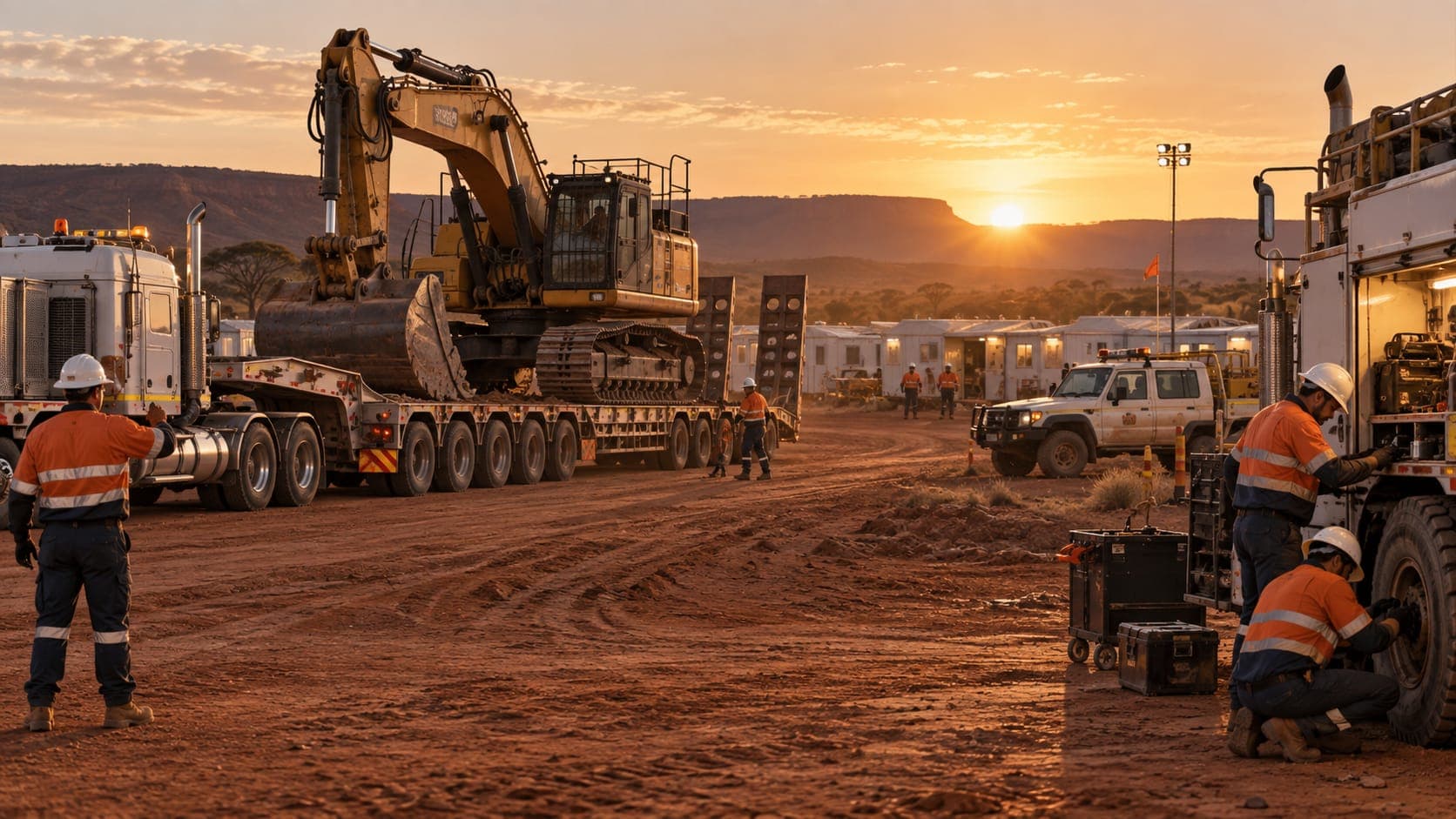
Compare plant hire quotes on the same scope
Turn competing plant hire quotes into a like-for-like comparison of machine configuration, hours, transport, support and return costs.
Read the guide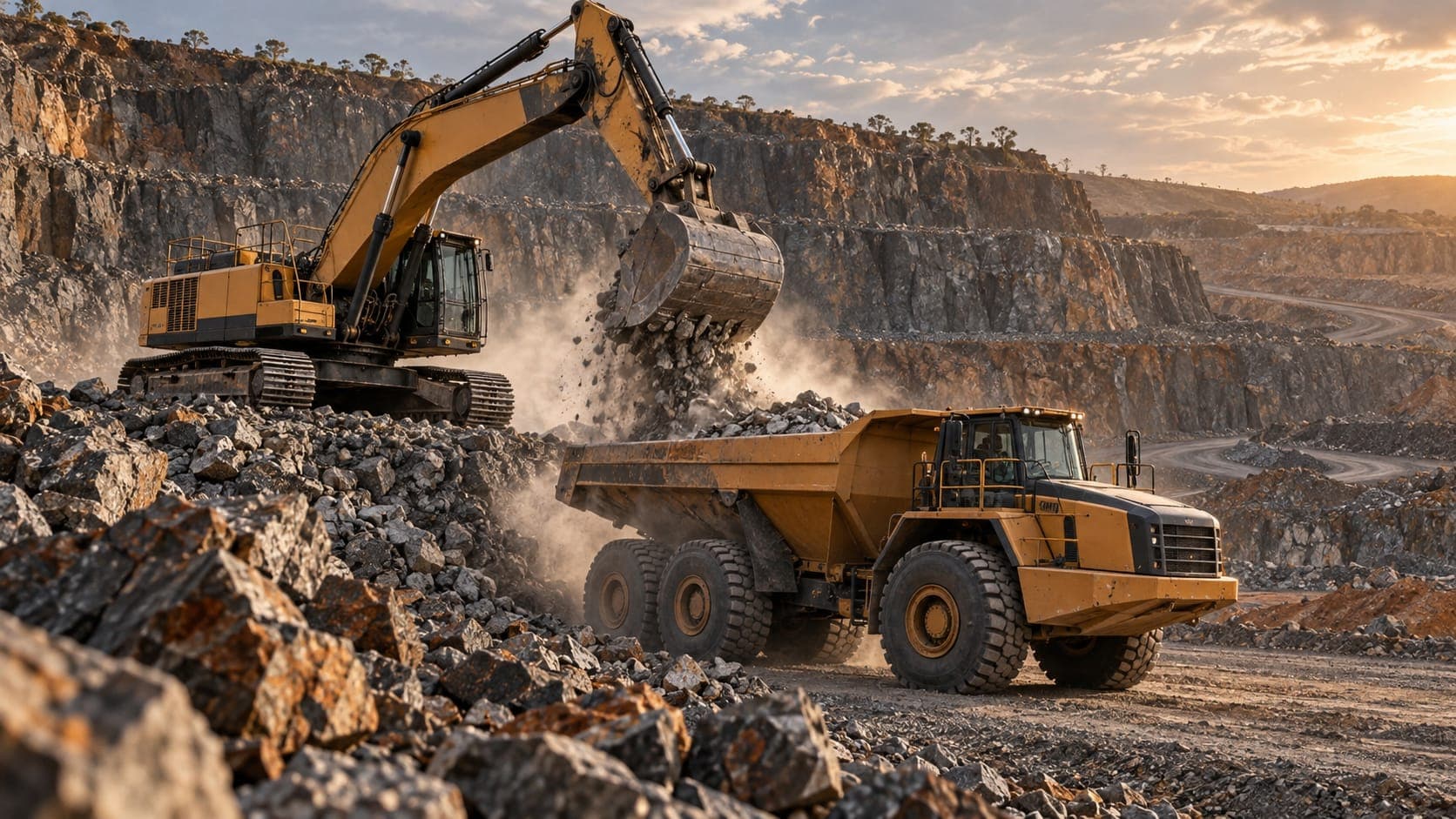
Specify excavator attachments that match the carrier
Brief attachment hire with carrier details, hydraulic requirements, coupling information and the actual material you need to handle.
Read the guide
Structure a long-term plant hire package
Plan extended hire around usage bands, servicing, substitutions, changing workloads and a documented return process.
Read the guideMake plant delivery a documented handover
Prepare a receiving contact, machine identification, condition records, accessories and clear escalation questions before plant arrives.
Read the guide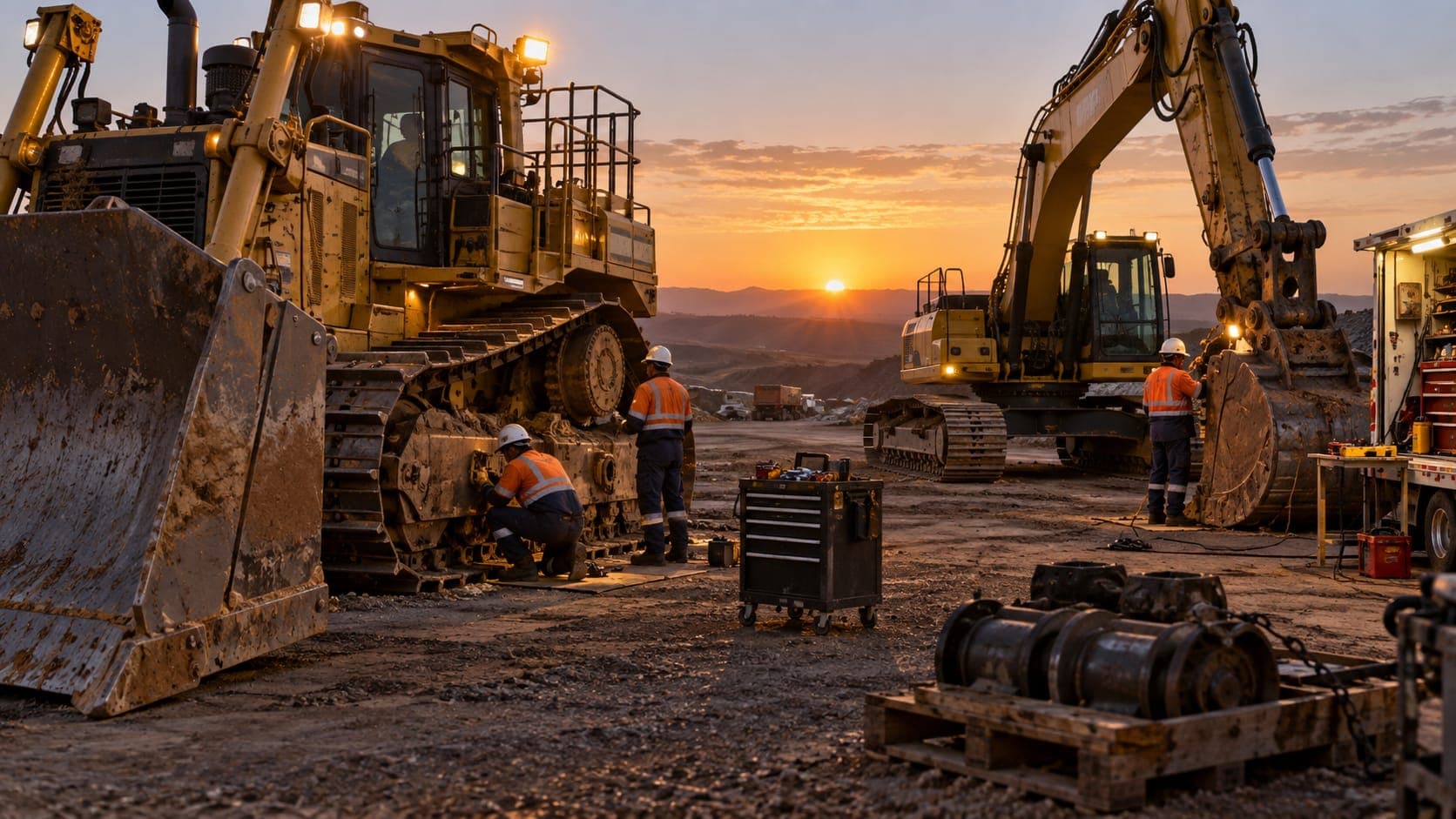
Close a hire with clear off-hire records
Document the end of hire, collection arrangements, condition, fuel and accessories so the final invoice matches the agreed return.
Read the guide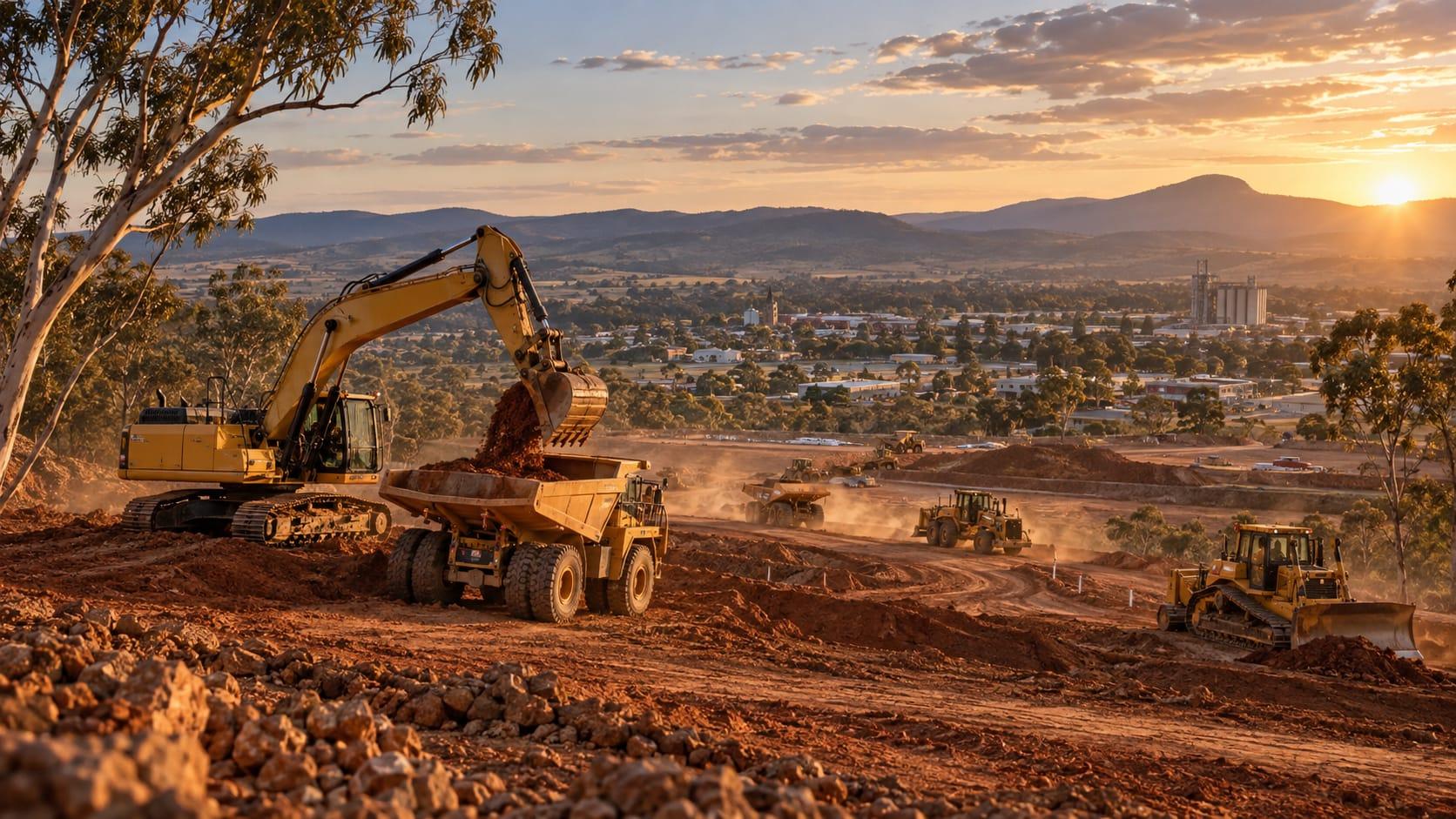
Telehandler or forklift: brief the handling task
Compare material handling options using load details, reach, working surfaces, access and the required operating configuration.
Read the guidePrepare a useful generator hire load brief
Give a generator supplier the load list, start sequence, operating hours and site constraints needed to propose a complete power package.
Read the guideDescribe the duty before hiring a pump
Prepare a pump enquiry with fluid properties, source and destination, flow requirements, hose route and operating duration.
Read the guide
Brief roller hire around the layer and workfront
Explain the material, layer specification, access and testing requirements before asking suppliers to propose compaction equipment.
Read the guidePlan water cart hire from fill point to workfront
Compare water cart packages using source access, travel cycles, site conditions, application needs and operator arrangements.
Read the guideBuild a plant package for a shutdown window
Organise shutdown plant around work packages, delivery slots, dependencies, support contacts and the return sequence.
Read the guideTrack plant hire cost against productive work
Build a practical hire register that separates billed time, meter usage, productive work, transport and approved variations.
Read the guideShortlist regional suppliers beyond the postcode
Compare local and travelling suppliers using the actual dispatch depot, freight scope, service support and project duration.
Read the guideControl changes during a plant hire
Keep extensions, attachments, relocations and substitutions aligned with written scope, responsibilities and revised charges.
Read the guidePlan electric plant hire around charging and duty
Assess electric plant options using the actual duty cycle, charging access, operating windows and supplier support assumptions.
Read the guideCore planning guides
Match a production fleet
How to balance excavators, loaders and trucks so no machine dictates the cycle: pass matching, cycle times and working out how many trucks you need.
Read the guidePlan remote mobilisation
Moving heavy plant to remote Australian sites: route surveys, oversize permits, escorts, fuel, accommodation, field servicing and recovery capability.
Read the guideWet hire or dry hire?
The difference between wet hire and dry hire in Australia, who carries which risks, and how to choose the model that suits your crew and project.
Read the guide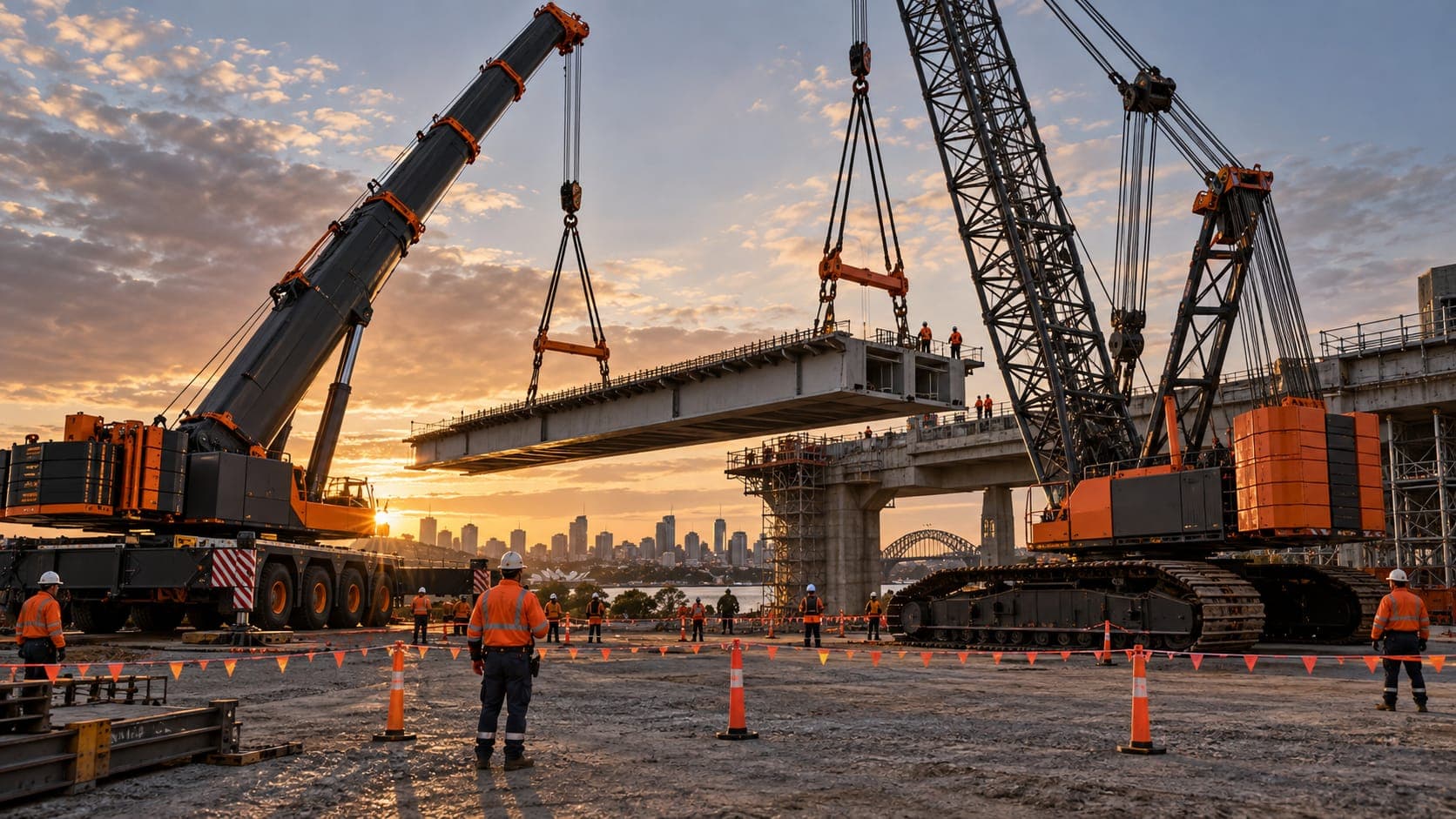
Ground bearing for heavy plant
Why ground bearing capacity matters for cranes, piling rigs and heavy plant, how outrigger loads are assessed, and when to design a working platform.
Read the guideFuel and field servicing
Planning safe refuelling, lubrication and field maintenance for hired heavy plant to protect availability, meet environmental controls and avoid disputes.
Read the guideManage standby and downtime
How standby, downtime and minimum hours work in plant hire, and how to agree weather, access and breakdown terms before comparing rates.
Read the guideOperator readiness checklist
Confirming operator licences, verification of competency, inductions, medicals and fatigue plans before operated plant arrives on an Australian site.
Read the guideDemobilisation without delay
Planning cleaning, off-hire inspections, damage assessment and transport so hired plant leaves site on time and without end-of-hire disputes.
Read the guidePlant hire rates in Australia
Build an Australian plant hire budget with quote worksheets, cost drivers and a transparent package comparison. Confirm current rates with suppliers.
Read the guide