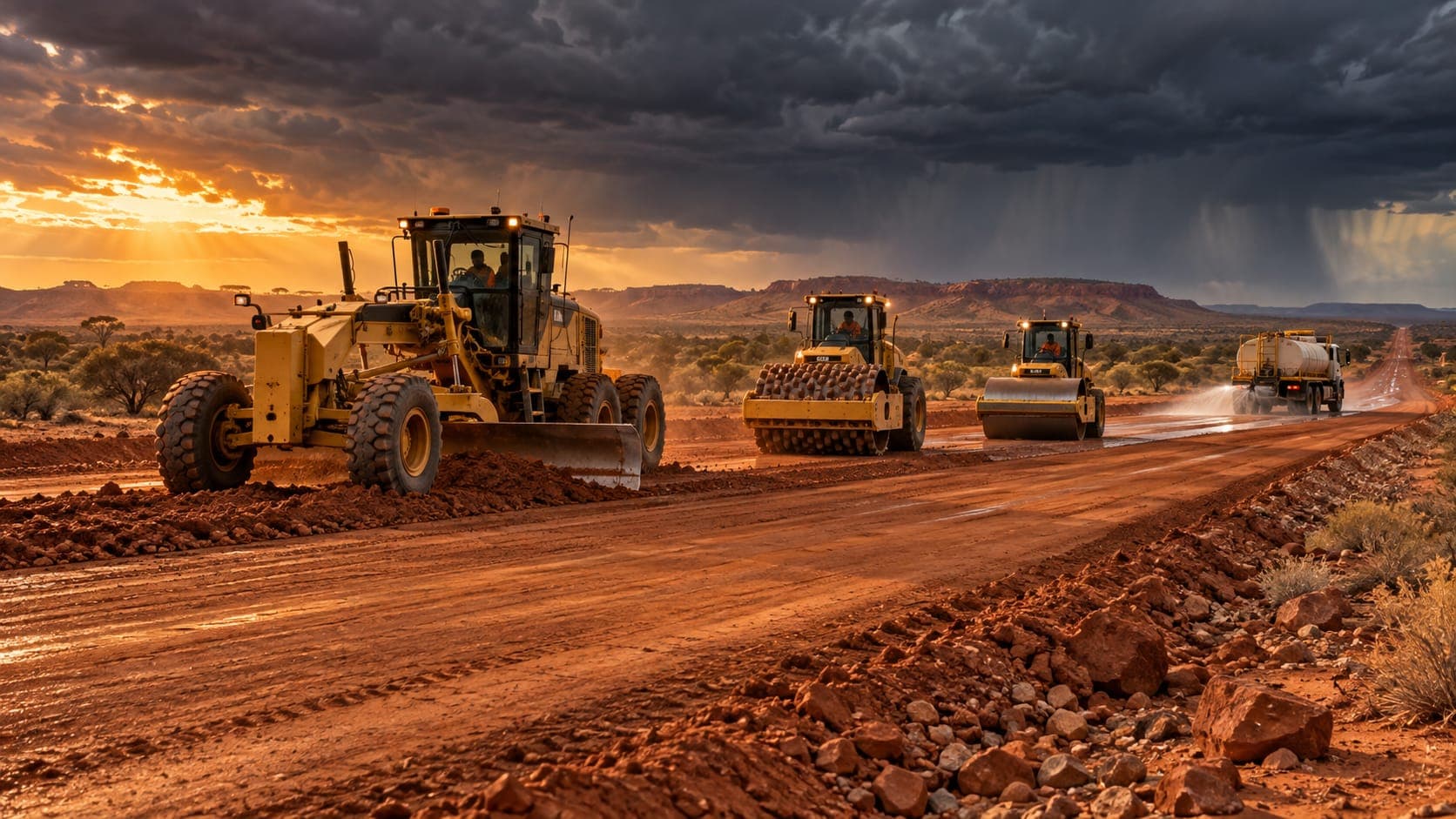
A water cart's tank capacity says little about its useful output unless the filling and travel cycle is understood. Describe where water comes from, how it reaches the workfront and what the application requires. Compare the whole cycle when discussing machine and operator options.
Confirm the water source
Identify the proposed source, access arrangements and the party responsible for authorising its use. Ask the site team to confirm availability and any conditions before treating the source as part of the hire plan.
Provide filling arrangements and the expected time available for replenishment. A large tank cannot compensate for an inaccessible or unavailable source. Keep water supply costs and equipment hire costs separate in the comparison.
Map the working cycle
Describe travel distance, route conditions, loading and application areas, and the expected work window. Ask the supplier to assess the vehicle and configuration against those conditions. Include any interaction with other traffic in the site's planning process.
The application requirement should come from the responsible project team. Avoid inventing a universal application rate or production figure. The buyer's job is to provide the supplier with a realistic cycle and a clearly stated task.
Example: a remote fill point
Two carts have different tank capacities, but both depend on a fill point some distance from the workfront. Compare their expected fill, travel and application cycles with the supplier. The nominally larger option may also bring different access or transport considerations.
If the fill point changes, update the enquiry before confirming the hire. Ask whether the operator, fuel and replenishment arrangements are included. The resulting quote should explain the assumptions behind the proposed package.
Coordinate the daily programme
Nominate the person who sets priorities when several work areas need service. Agree communication and support arrangements with the supplier. A cart booked for a shift still needs a clear schedule to avoid unnecessary travel and competing instructions.
Record the agreed operating window, minimum charge and treatment of weather interruptions. At handover and return, reconcile the machine and accessories through the supplier's process. Keep source authorisation and application decisions with the responsible site team.
Common questions
Is the biggest tank the best option?
Not automatically. Source access, filling time, travel route, site conditions and the task determine the useful package.
Does hire include the water?
Ask explicitly. Water supply, source access, operator time and equipment hire may be separate items.
This guide is general information to help you prepare a better enquiry. It is not engineering, legal or safety advice. Equipment selection, engineering and safe systems of work remain the responsibility of competent project and supplier teams, and regulatory requirements differ between states and sites.