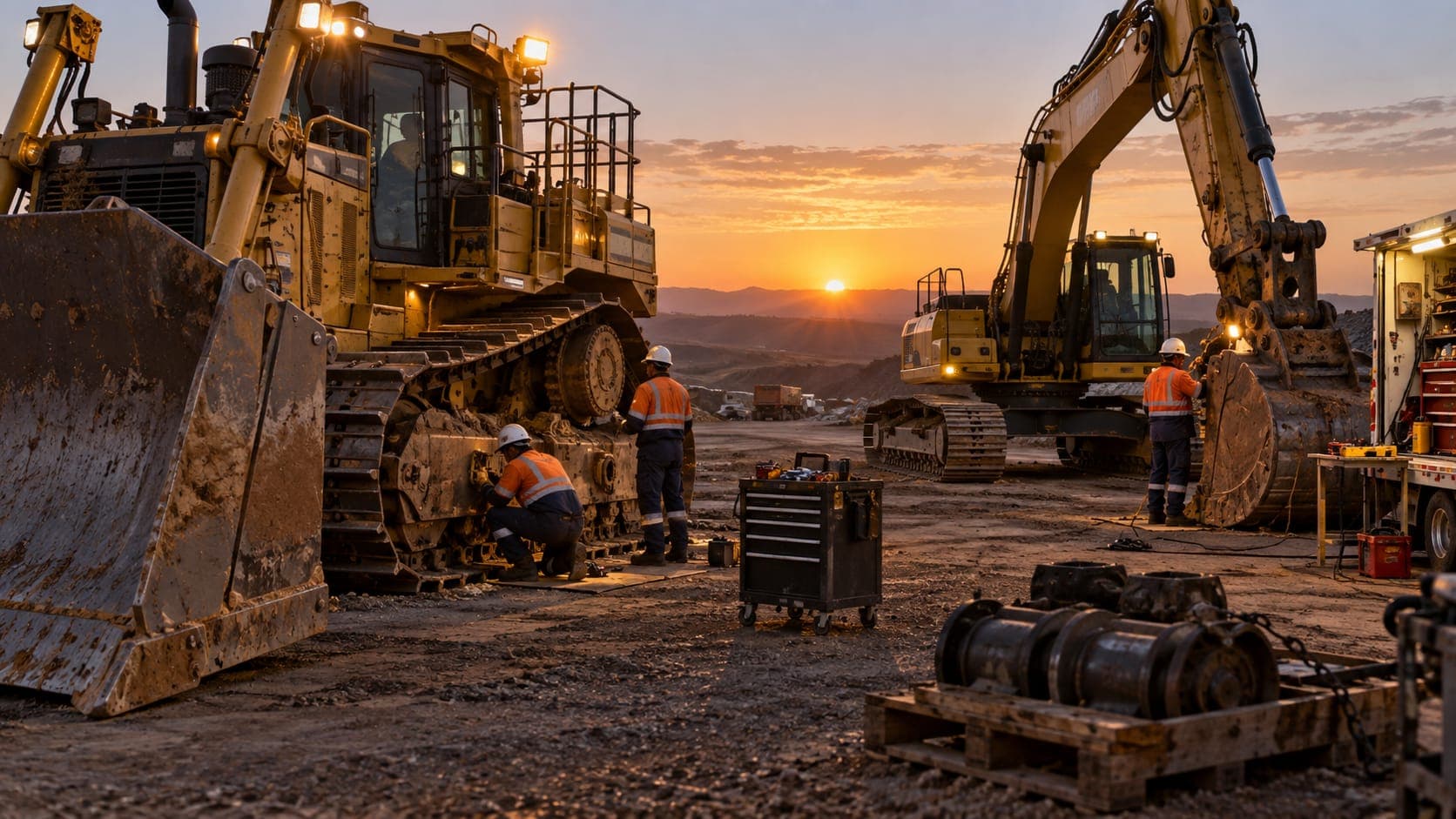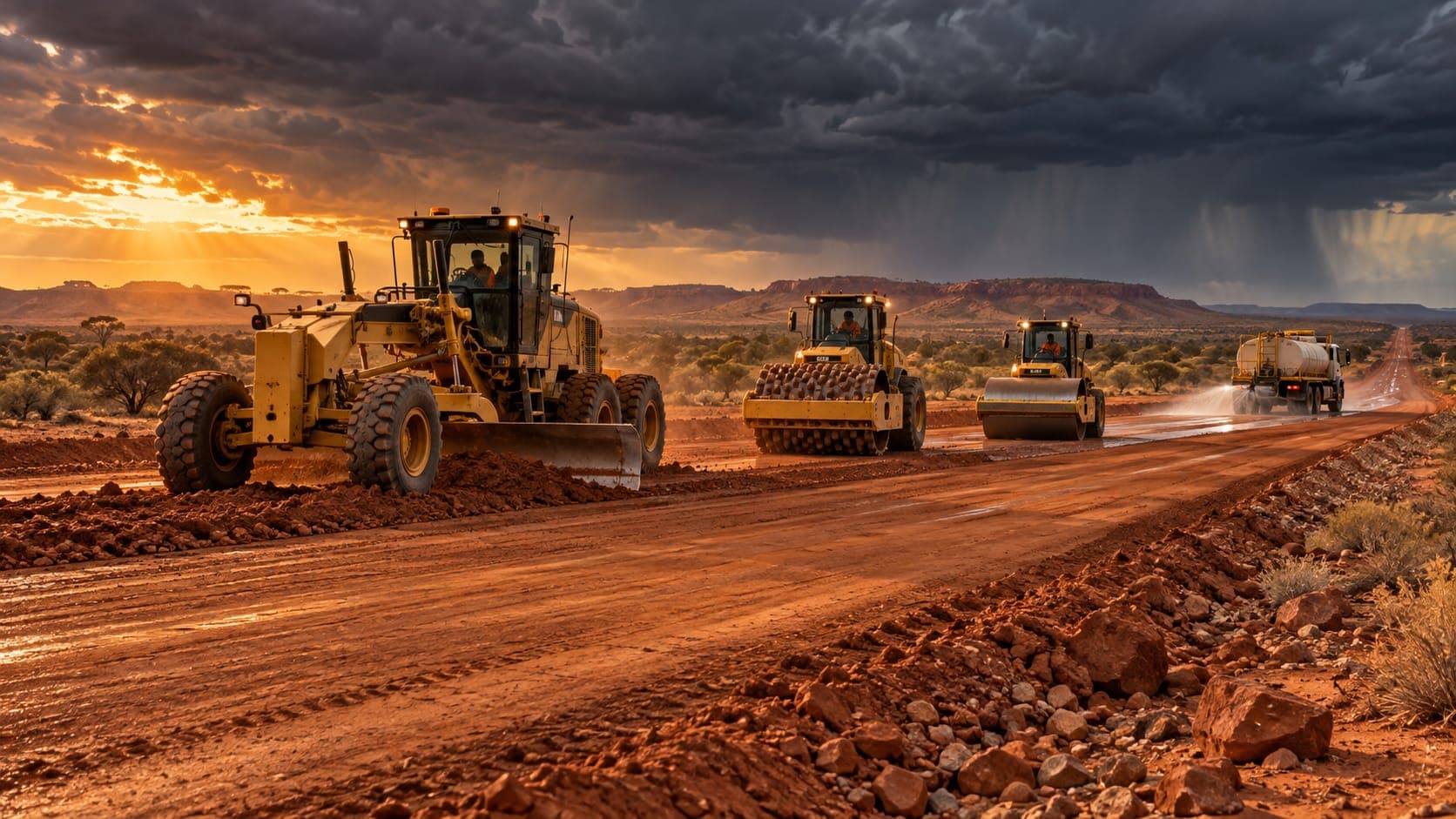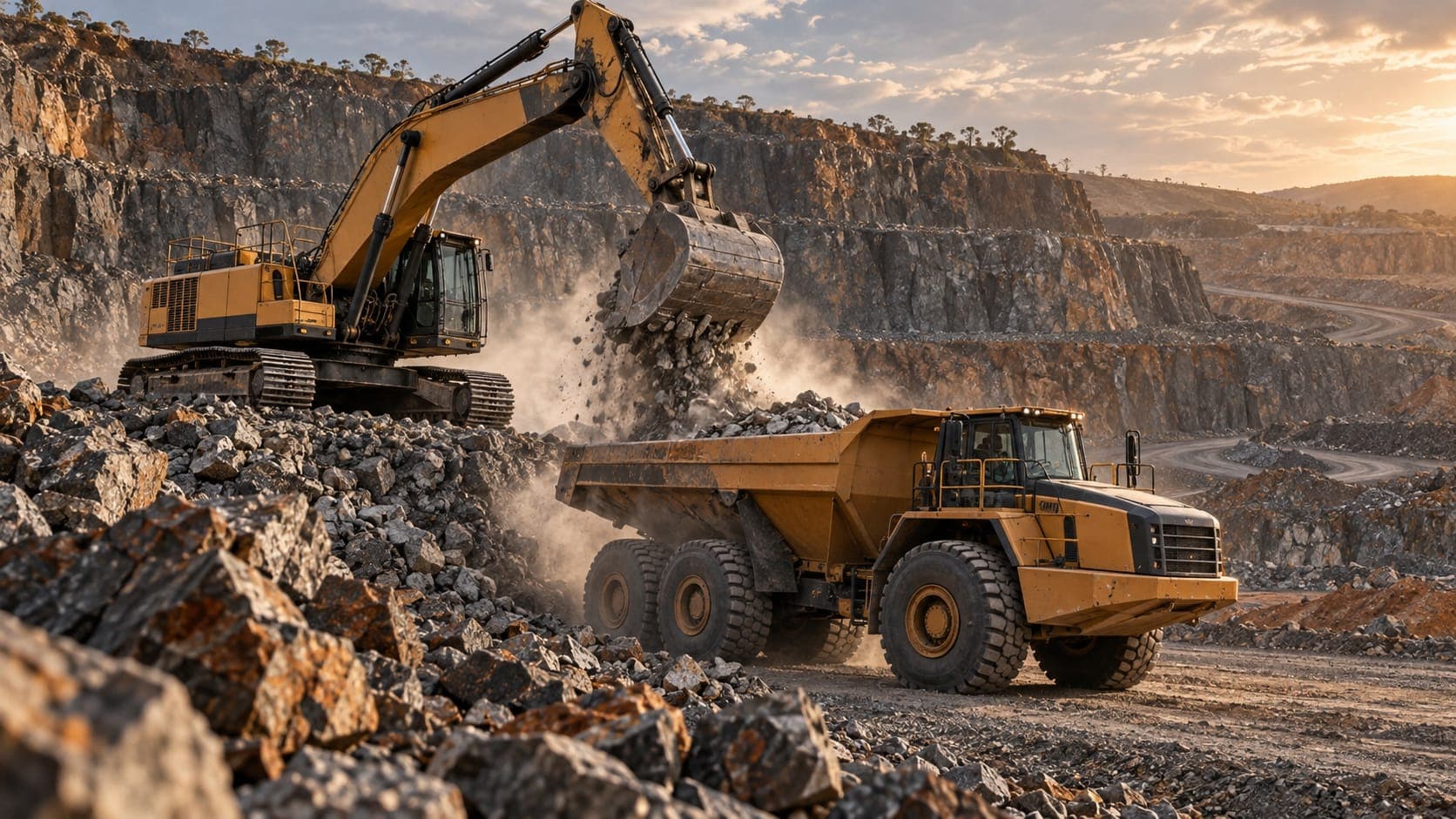
What does it cost to hire an excavator, dozer or crane in Australia? This guide sets out indicative September 2026 ranges for common plant, explains what is and is not included, and shows how to turn hourly rates into a real project cost. The figures are editorial estimates of typical market pricing to help with budgeting and quote checking — they are not quotes, and actual prices vary widely by region, season, duration and job.
Wet hire rates for common civil plant
Wet hire — machine plus operator — is the most common way civil and earthmoving plant is hired for short and medium-term jobs in Australia. Rates are normally quoted per machine hour, excluding GST, with a minimum daily charge (often 8 hours). Fuel may or may not be included; many suppliers quote 'wet' as operator-inclusive and fuel-exclusive, so confirm in writing.
The ranges below reflect east-coast metropolitan and near-regional work. Expect higher rates for remote sites, mine-spec machines, night shift, weekend and public holiday work, very short hires, and periods of high demand such as the end of the financial year.
| Machine | Typical range per hour |
|---|---|
| Excavator 5–8 t | $95–$135 |
| Excavator 12–14 t | $120–$160 |
| Excavator 20–25 t | $150–$200 |
| Excavator 30–36 t | $180–$240 |
| Excavator 45–50 t | $230–$320 |
| Dozer D6 class | $170–$230 |
| Dozer D8 class | $260–$360 |
| Grader 12–14 class | $150–$210 |
| Smooth-drum or pad-foot roller 10–12 t | $115–$155 |
| Articulated dump truck 30–40 t | $155–$220 |
| Water cart 13–15 kL | $120–$165 |
| Truck and dog | $135–$175 |
Dry hire rates
Dry hire — machine only — suits contractors with their own operators. It is usually priced per day, week or month with a daily hour allowance, and the effective hourly rate drops sharply on longer terms. Monthly dry hire of a 20 tonne excavator can cost a fraction of the equivalent wet-hire hours, but you then pay for your own operator, fuel, daily servicing and damage cover.
| Machine | Typical range |
|---|---|
| Excavator 1.7–2 t | $250–$400 per day |
| Excavator 5–8 t | $450–$700 per day |
| Excavator 20–25 t | $1,400–$2,200 per day, or weekly/monthly discounts |
| Smooth-drum roller 10–12 t | $800–$1,300 per day |
| Boom lift 16–20 m (EWP) | $350–$650 per day |
| Telehandler 3–4 t | $450–$800 per day |
Crane hire rates
Crane hire is almost always wet hire. Pricing typically includes the crane and a licensed operator, charged hourly with a minimum call-out and travel time from the depot. Dogmen and riggers are often charged separately. Larger all-terrain and crawler cranes add counterweight transport, assembly and disassembly, permits and escorts, which can make a single lift day far more expensive than the hourly rate suggests.
| Crane | Typical range per hour |
|---|---|
| Pick-and-carry (Franna-type) 20–25 t | $165–$230 |
| Pick-and-carry 40 t | $220–$300 |
| City or all-terrain 50–60 t | $260–$360 |
| All-terrain 100 t | $400–$600 |
| All-terrain 200–250 t | $650–$1,000+ |
| Dogman or rigger (additional) | $85–$120 |
Transport and mobilisation
Moving plant to and from site is a separate cost and is frequently underestimated. Small machines travel on tilt trays or tag trailers; excavators above about 8 tonnes, dozers and graders need semi low-loaders; larger machines need oversize permits, pilots and sometimes route planning. Transport is usually charged both ways. On remote jobs, mobilisation can be a material share of the total plant cost.
| Movement | Typical basis |
|---|---|
| Tilt tray or tag trailer (mini to 8 t) | $150–$220 per hour or fixed local rate |
| Semi low-loader float (to about 30 t) | $180–$260 per hour |
| Oversize float with permits | $230–$350+ per hour plus permits and pilots |
| Pilot or escort vehicle | $90–$150 per hour each |
What drives the rate
Several factors move rates up or down, and understanding them makes quotes easier to compare.
- Machine size and specification: larger machines, GPS machine control, tilt buckets and special attachments cost more
- Duration: long-term hires attract lower rates; one-day hires carry minimums and higher rates
- Location: remote and regional work adds travel, accommodation and support costs
- Compliance: mine-spec fit-outs, rail approvals and site-specific requirements increase cost
- Operator skill: experienced finishing operators and specialist crane crews command higher rates
- Timing: night work, weekends, public holidays and peak periods cost more
- Inclusions: fuel, transport, attachments, servicing and damage cover change the comparison
Machine sizes referenced in these rates
Rates are quoted by machine class. If a supplier offers a different size from the one you asked for, check the table to see whether it will change productivity as well as price.
| Class (operating weight) | Typical bucket | Common uses |
|---|---|---|
| Mini, 1–2 t | 0.03–0.08 m³ | Landscaping, services trenching, tight access |
| Midi, 5–8 t | 0.15–0.3 m³ | Residential civil, drainage, small bulk work |
| 12–14 t | 0.4–0.6 m³ | Subdivision services, pipelines, general civil |
| 20–25 t | 0.9–1.3 m³ | The civil workhorse: bulk dig, truck loading, detailed excavation |
| 30–36 t | 1.5–2.2 m³ | Bulk earthworks, loading ADTs, heavy trenching |
| 45–50 t | 2.5–3.5 m³ | Major bulk earthworks, rock, quarry support |
| 70 t and above | 4 m³ and up | Mass excavation, quarry and mining production |
From hourly rate to project cost
An hourly rate is only one part of the cost. A realistic plant budget adds mobilisation and demobilisation, minimum hours on short days, standby for weather or delays, fuel if not included, attachments, supervision, survey and consumables. For production work, divide the total fleet cost by the volume moved to get a cost per cubic metre, which is the best way to compare suppliers offering different fleets.
For example, a wet-hire fleet costing $1,100 per hour that moves 250 bank cubic metres per hour costs about $4.40 per cubic metre before mobilisation and overheads. A cheaper fleet at $850 per hour that only moves 150 cubic metres per hour costs about $5.70 per cubic metre. The lower hourly rate is the more expensive option.
Regional and seasonal differences
Rates differ noticeably across Australia. Resource regions such as the Pilbara, Bowen Basin and Goldfields often carry premiums because plant and operators are in demand from mines, and because suppliers must cover travel, accommodation and remote servicing. Capital cities have more competition but higher operating costs and more restrictive working hours. Smaller regional towns can be competitive for local work but may have limited fleet, so large or specialised machines might need to come from further away.
Demand also moves with the calendar. The run-up to the end of the financial year, the months before Christmas, and periods after major floods or storms can tighten availability and lift prices. Booking early and offering longer hire terms usually secures better rates.
How to get accurate quotes
The more precise the brief, the more accurate and comparable the quote. Describe the task, material, volumes or loads, site location and access, working hours and duration, required hire model, and any site compliance requirements. Ask each supplier to itemise the rate, minimum hours, standby, mobilisation, fuel, attachments and any extra charges, so you can compare like with like.
Rates in this guide are reviewed periodically. They are a sense-check, not a substitute for current written quotes from suppliers in your area.
Common questions
How much does it cost to hire an excavator in Australia?
Indicatively, as of September 2026, wet hire of a 20–25 tonne excavator with operator is commonly around $150–$200 per hour excluding GST in metropolitan and near-regional areas, while a 5–8 tonne machine is around $95–$135. Dry hire of a mini excavator is commonly a few hundred dollars per day. Prices vary by region, duration and inclusions.
How much does crane hire cost per hour?
Indicatively, pick-and-carry cranes of 20–25 tonnes are commonly around $165–$230 per hour and 50–60 tonne all-terrain cranes around $260–$360 per hour, with minimum call-outs and travel charges. Large cranes cost significantly more once counterweight transport and assembly are included.
Are plant hire rates quoted including GST?
Most trade quotes in Australia are quoted excluding GST. Check each quote.
Is fuel included in wet hire?
Sometimes. Some suppliers include fuel in wet hire; many do not. Always confirm in writing.
Why do rates vary so much between suppliers?
Differences in machine age and specification, operator experience, inclusions, minimum hours, location, and how busy the supplier is all affect pricing. Compare total cost for your job, not just the headline rate.
This guide is general information to help you prepare a better enquiry. It is not engineering, legal or safety advice. Equipment selection, engineering and safe systems of work remain the responsibility of competent project and supplier teams, and regulatory requirements differ between states and sites.