Choose plant for the conditions.
Australian worksites punish generic assumptions. These guides explain how hard rock, soft ground, slopes, heat, rain, dust, remoteness and live traffic should shape the machine, the support plan and the supplier brief.
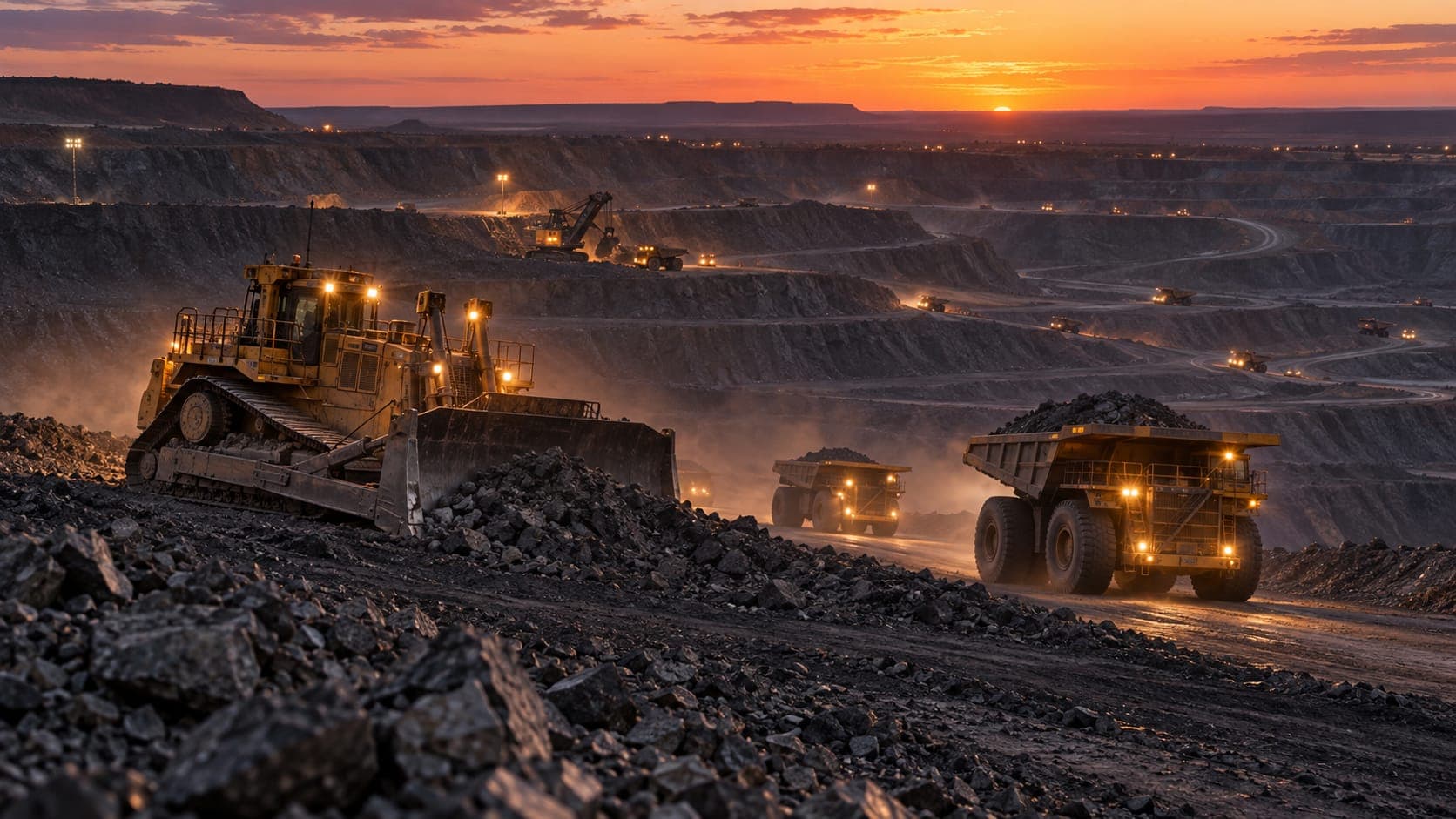
Plant for hard rock
Choosing ripping, hammering and loading plant for hard rock, and understanding how rock strength, joints and abrasiveness change fleet cost.
Read the guide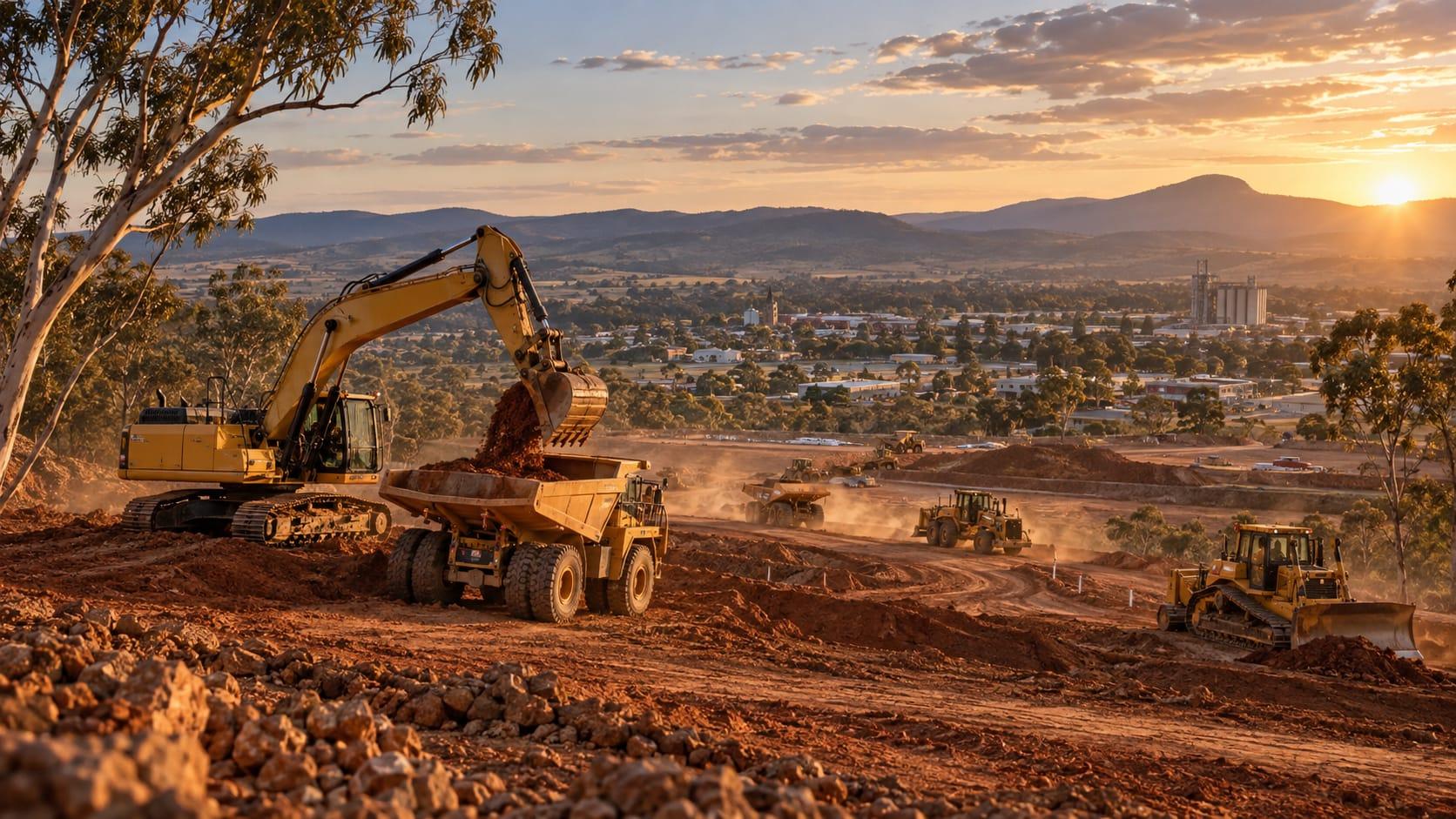
Plant for soft ground
Working heavy plant on soft, wet or low-strength ground: low-ground-pressure machines, matting, access tracks and recovery planning.
Read the guide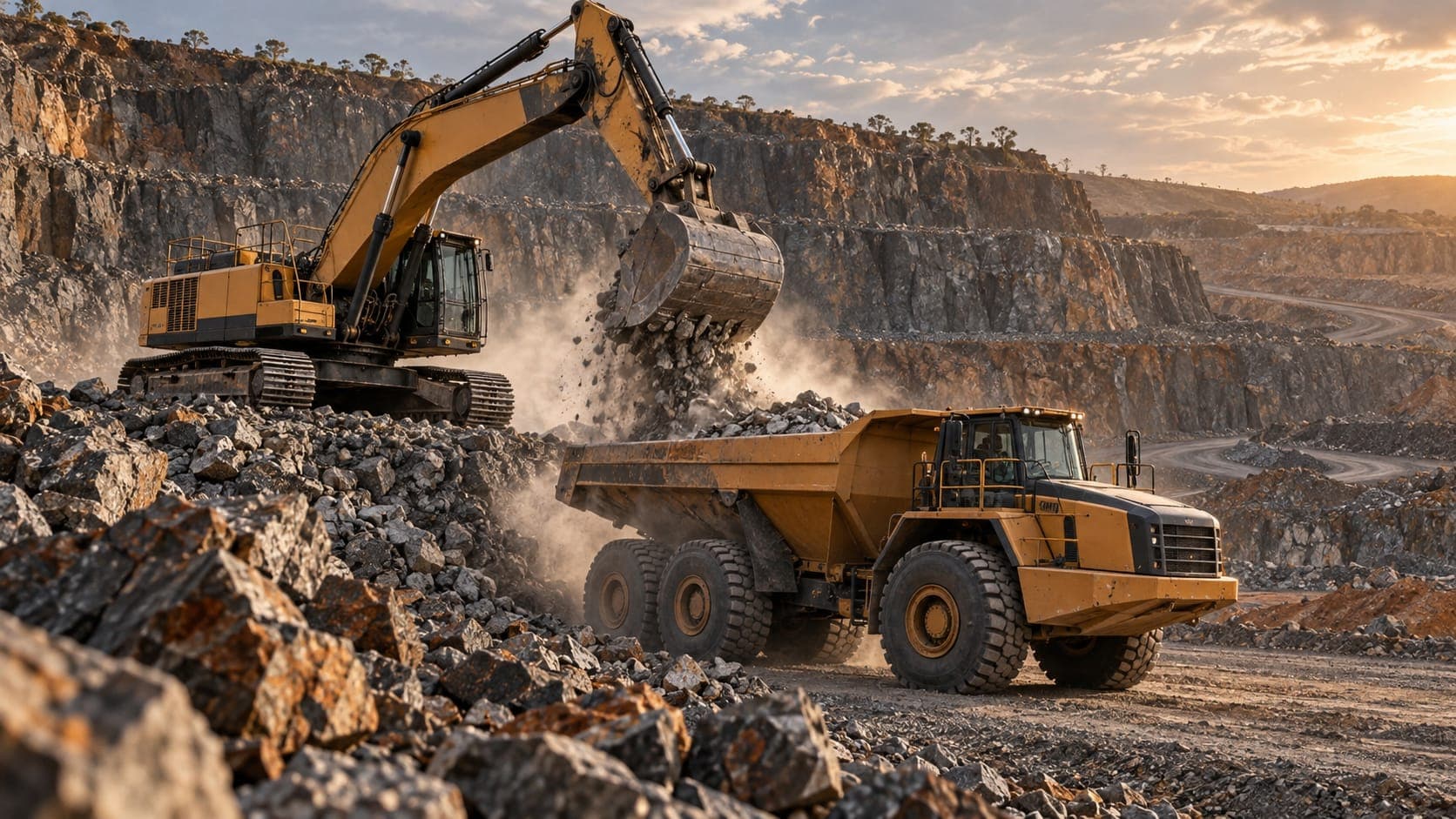
Working on steep terrain
Selecting and operating heavy plant safely on slopes: machine stability limits, benching, access, tethered systems and emergency planning.
Read the guideExtreme heat operations
Running heavy plant through Australian heat: cooling capacity, air conditioning, shift timing, operator hydration and fire risk controls.
Read the guide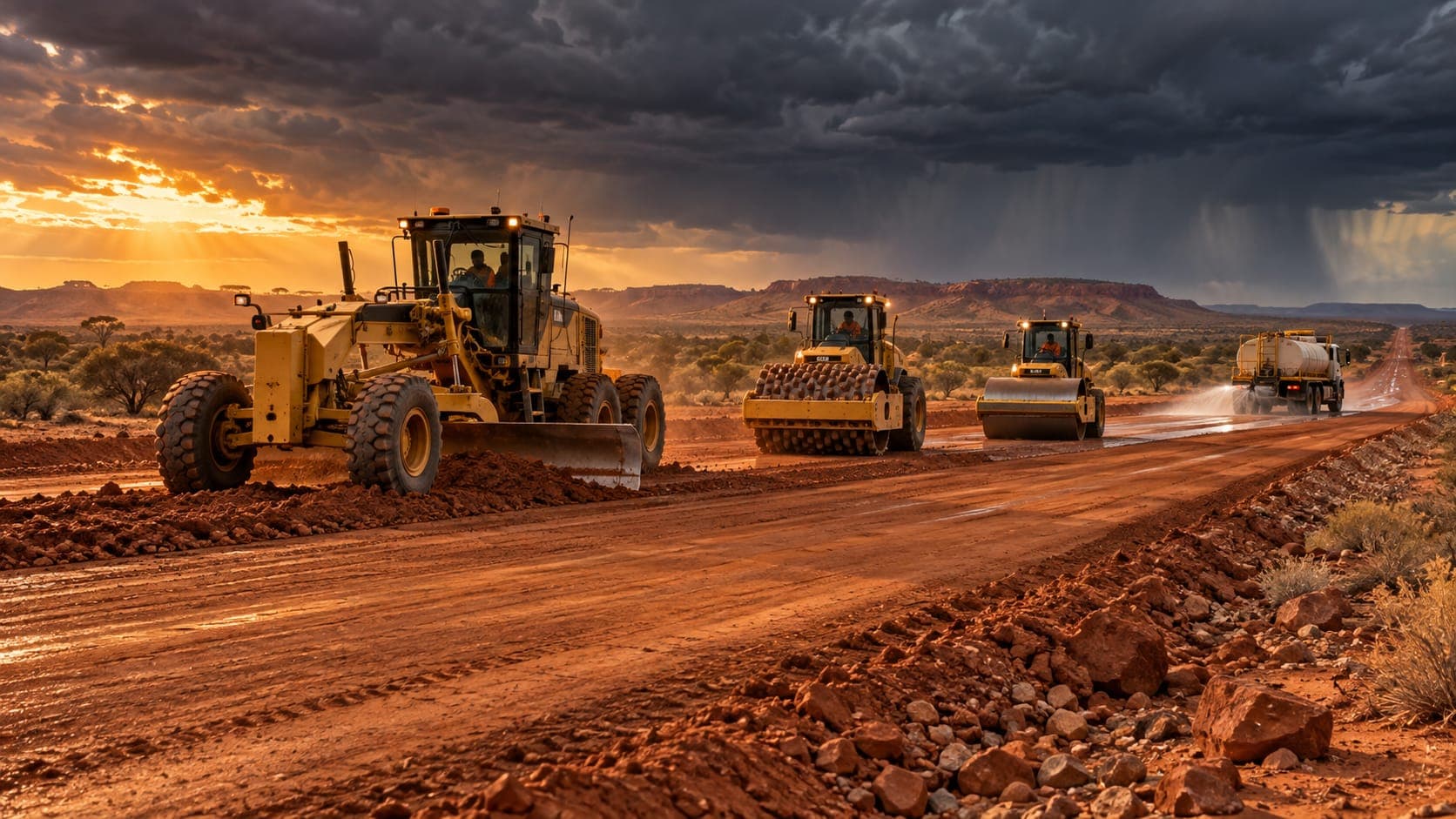
Wet-weather plant planning
Protecting access and productivity in wet weather: rain triggers, drainage, suitable plant, standby terms and restart criteria for earthworks.
Read the guide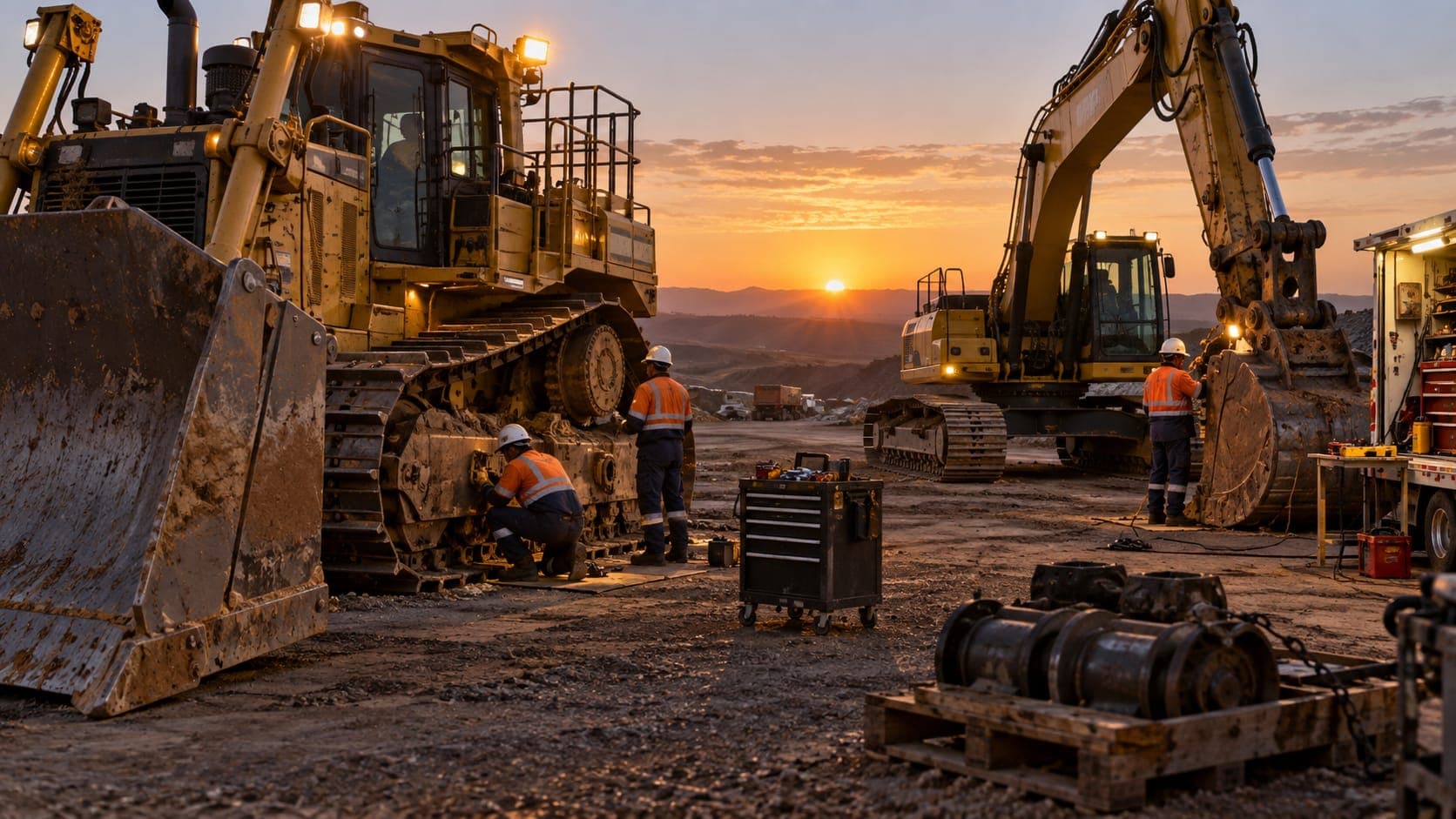
Abrasive and dusty sites
Managing filtration, cab sealing, component wear, visibility and service frequency for heavy plant working in persistent dust.
Read the guide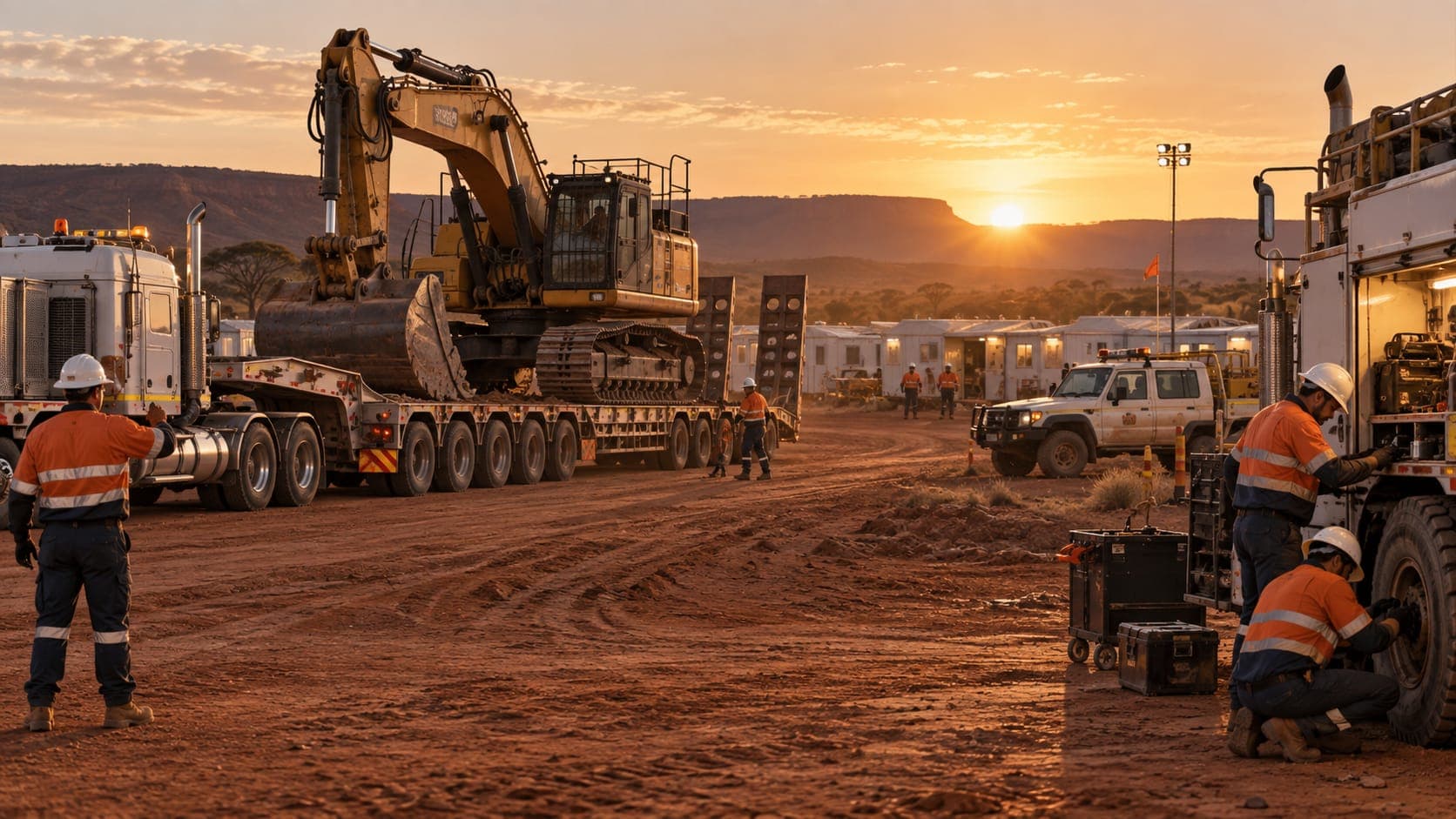
Remote site operations
Building resilience into communications, parts, crews, fuel and breakdown response when running heavy plant far from towns and workshops.
Read the guidePlant near live traffic
Integrating plant movements with traffic management: staging, exclusion zones, spotters, plant routes and separating the public from machines.
Read the guide