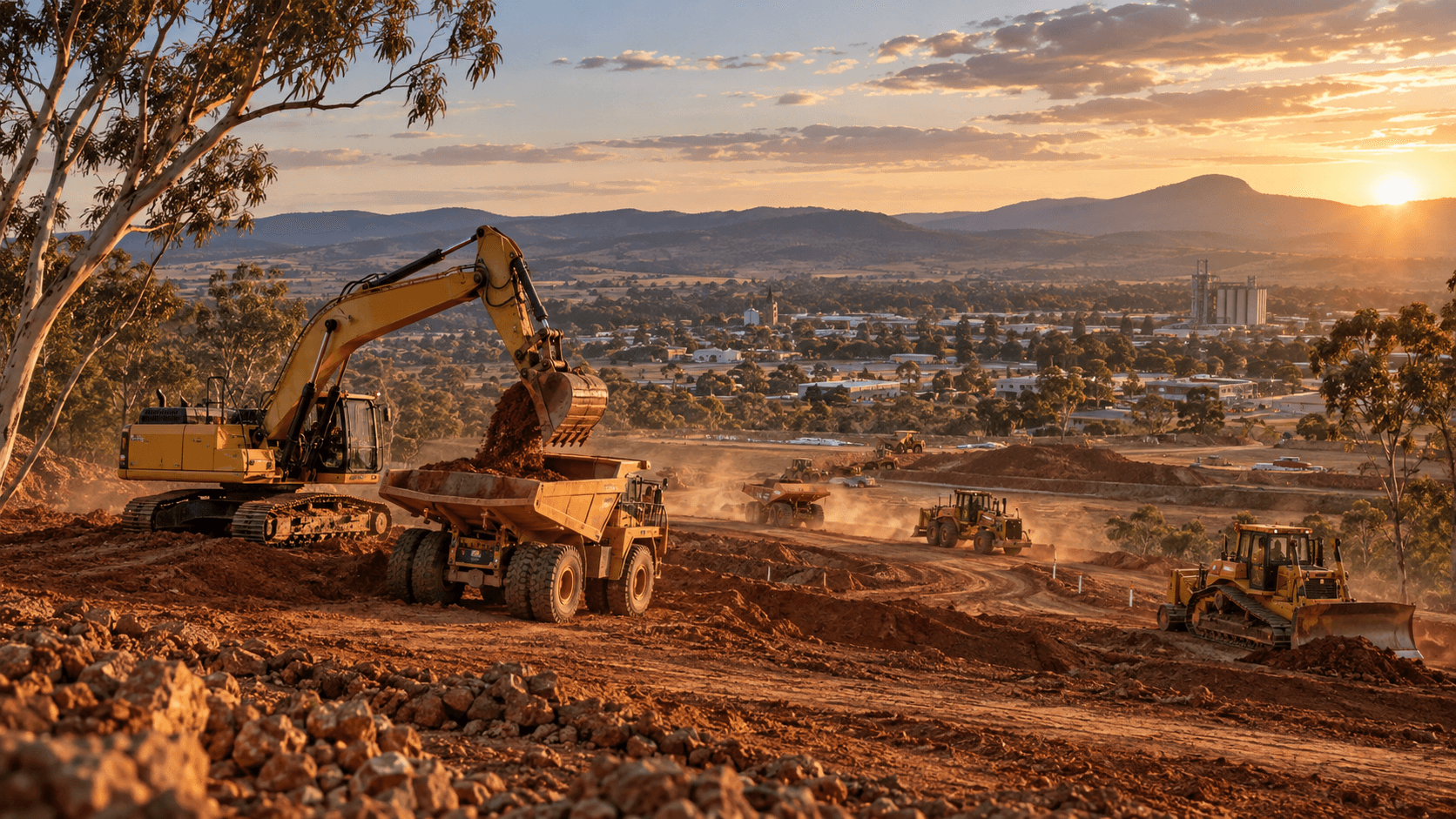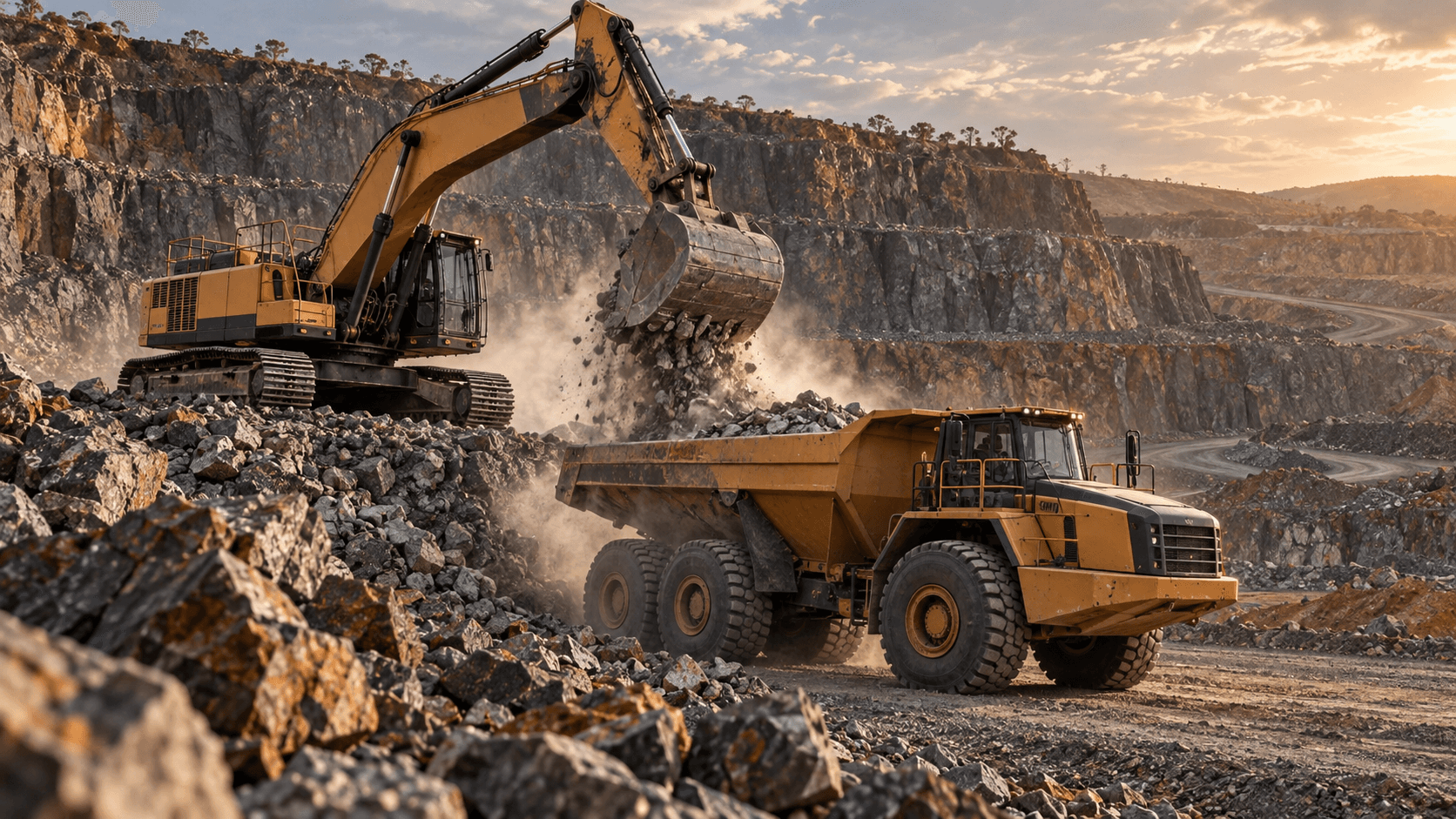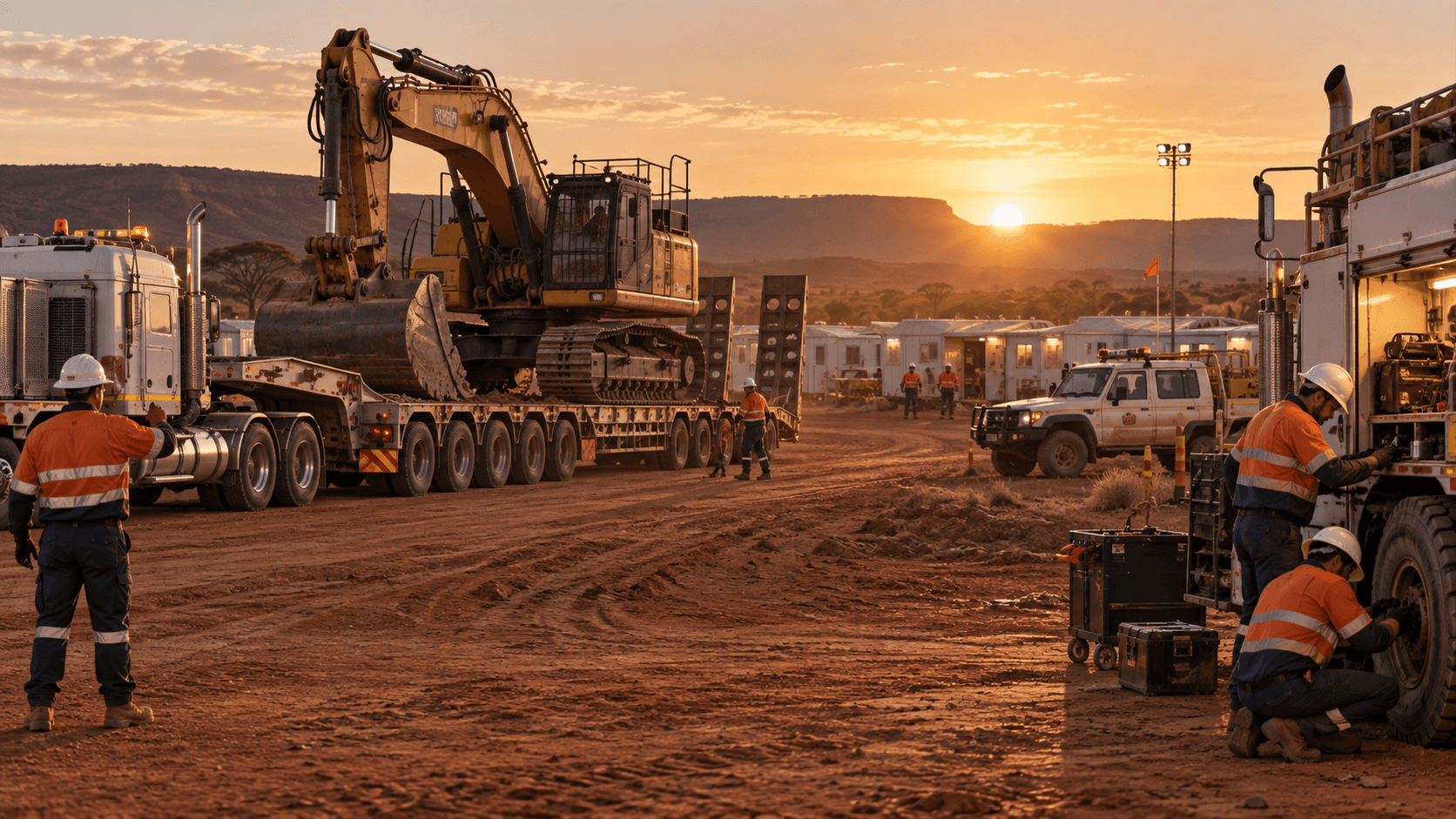
Build resilience into communications, parts, labour, fuel and breakdown response. Heavy equipment performs best when the machine, operator, support plan and site conditions are treated as one working system. Use this field guide to frame a more precise enquiry, compare suppliers on the same basis and expose expensive gaps before mobilisation.
Start with the work, not the model
Describe the task in measurable terms: quantities, material, distances, gradients, loads, programme and operating window. Suppliers can then recommend a practical machine class and attachments instead of pricing an incomplete request.
Test the site assumptions
Access, ground condition, overhead restrictions, traffic interfaces, weather exposure and service facilities all change what can work safely. Confirm these details with the project team and share them with shortlisted suppliers.
Build uptime into the brief
Set expectations for maintenance coverage, replacement plant, parts, refuelling, communications and breakdown response. On regional or remote work, support capacity can be as important as the fleet itself.
Compare the complete offer
Align rates, minimum hours, travel, mobilisation, attachments, operator costs, fuel, standby and damage terms. A comparable scope produces a more defensible shortlist than a headline hourly rate.
Use this guide to improve the quality of your enquiry. Final equipment selection, engineering and safe systems of work remain the responsibility of competent project and supplier teams.