Floods, bushfires, cyclones and storms regularly damage roads, bridges and communities across Australia. Recovery plant has to reach damaged areas quickly, work in unpredictable conditions and do so safely. Planning ahead, before an event, makes the difference between plant arriving in days or weeks.
Editorial planning guidance with illustrative scenarios. No independent professional review is claimed. Read the authorship and evidence policy or report a correction.
Prepare before the event
Councils, road agencies and contractors that respond well usually have pre-agreed supplier panels or standing offer arrangements, with rates, insurance and inductions already in place. Keep a register of local suppliers with contact details, fleet lists and after-hours numbers. This directory can help build that list; confirm each supplier's details directly.
Route status and access
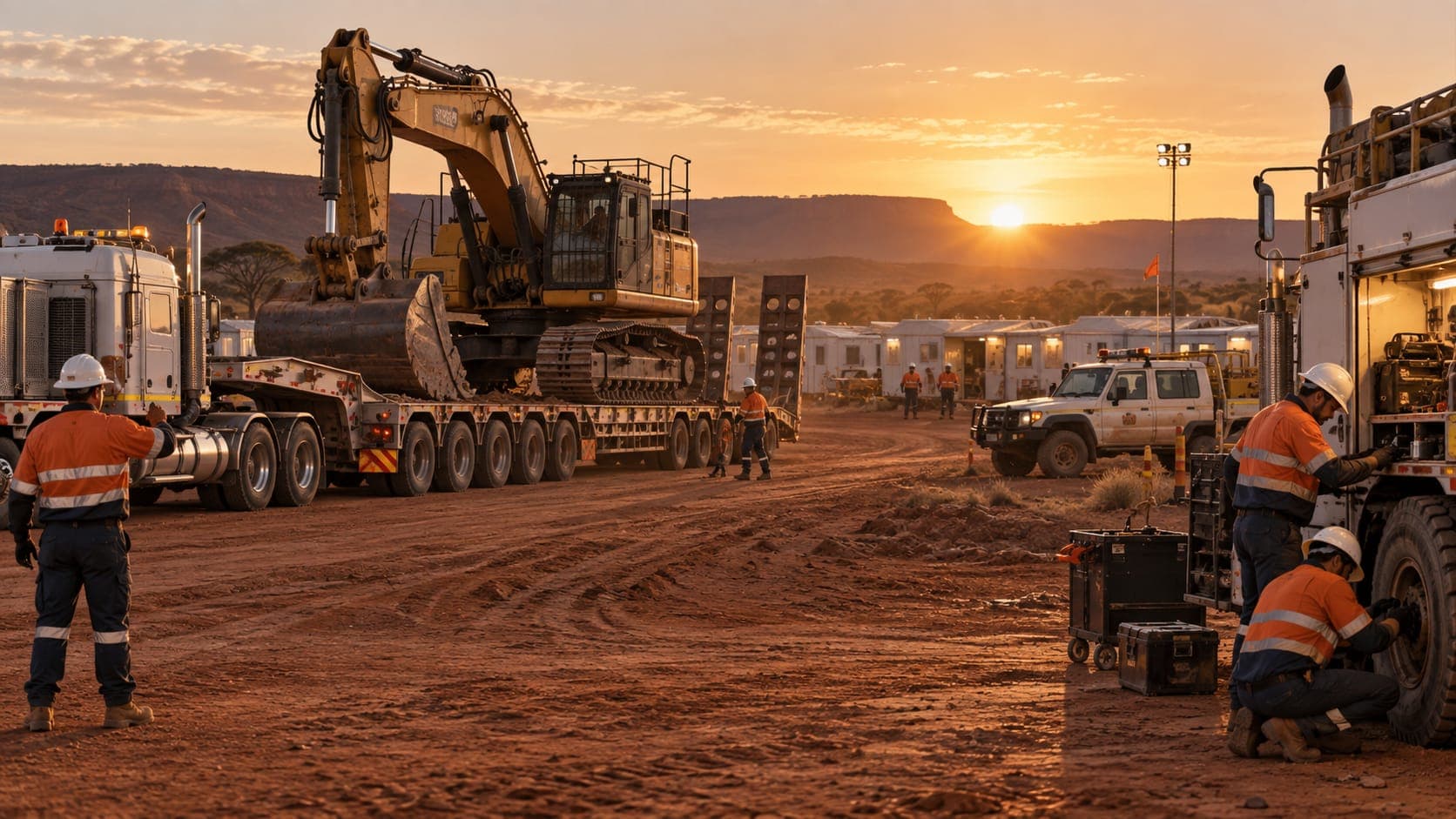
Roads, bridges and causeways may be closed or damaged. Check official road condition reports and coordinate with the emergency or recovery agency before moving heavy plant. Low loaders may not be able to reach a site, so smaller, self-transportable machines are sometimes the only option in the first days.
Typical recovery fleets
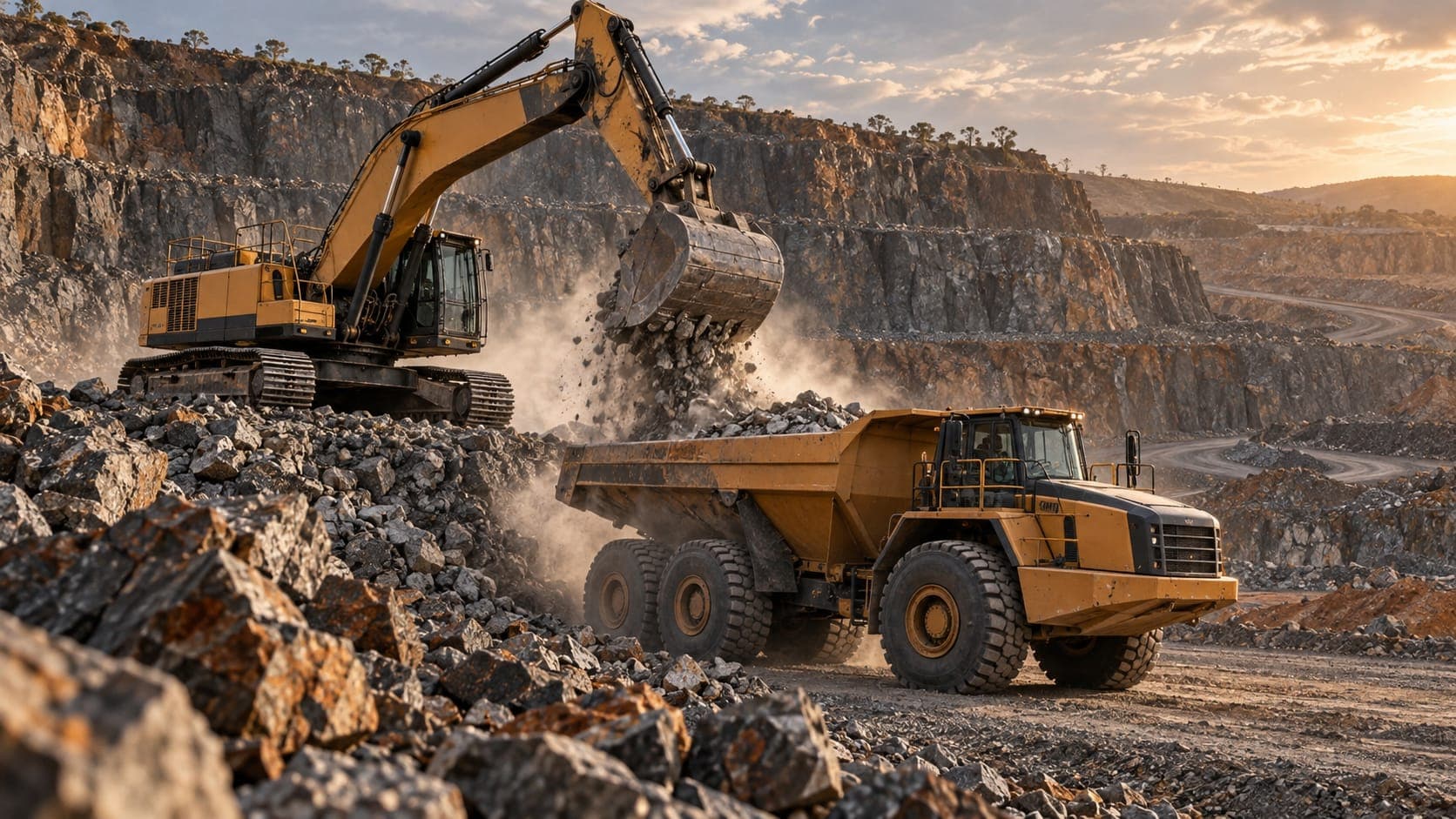
Early work focuses on restoring access: clearing debris, rebuilding washouts and making temporary crossings. Excavators with grabs, loaders, tip trucks, graders, dozers and water carts are typical. Pumps and generators support flood response and isolated communities.
- Excavators with grabs and rakes for debris
- Tip trucks and loaders for removal
- Graders and rollers for road reinstatement
- Pumps, generators and lighting towers
Hazards on disaster sites
Damaged sites carry hazards that normal projects do not: unstable ground, hidden voids, downed power lines, asbestos in fire or storm debris, contaminated floodwater and burnt, unstable trees. Hazard identification must come before plant enters. Asbestos-containing debris needs licensed removal and handling procedures.
Fuel, welfare and records
Fuel supply can be disrupted. Plan fuel deliveries or carry fuel on service vehicles. Crews may work long hours in difficult conditions, so accommodation, food and fatigue management matter. Keep detailed daily records of hours, locations and tasks: recovery funding programs usually require clear evidence of work performed and costs incurred.
How recovery works in Australia
After a natural disaster, recovery work on public assets such as roads, bridges and drainage is commonly funded through the Disaster Recovery Funding Arrangements (DRFA), jointly funded by the Commonwealth and the states and territories. Councils and state agencies deliver the work, often through pre-approved contractors and suppliers. Recovery authorities such as the Queensland Reconstruction Authority and the NSW Reconstruction Authority coordinate programs after major events.
Funding claims generally require evidence of damage, the work done and the costs incurred. For plant hire, that means detailed daily dockets showing machine, operator, hours, location and task, and ideally before-and-after photos. Poor records are one of the most common reasons claims are delayed or reduced.
Typical emergency and reconstruction fleets
Immediate response focuses on clearing access and making sites safe. Excavators in the 13–25 tonne range with grabs and rakes, skid steers and compact track loaders, tip trucks, loaders and chainsaw crews are common. Pumps and generators support flooded sites and isolated communities.
Reconstruction follows: road rebuilding with graders, rollers, water carts and stabilisers; bridge and culvert repairs with cranes and piling rigs; and landslip remediation with larger excavators and rock-breaking equipment. Suppliers able to provide complete, self-supporting crews — including fuel, accommodation and field servicing — are highly valued in affected regions.
- Keep daily dockets signed by the client representative
- Photograph damage before work and completed work afterwards
- Record locations with GPS coordinates or chainages
- Separate emergency works from later reconstruction in records, as they may be funded differently
Hazards specific to Australian disaster sites
Bushfire-affected sites may contain asbestos in damaged buildings, burnt and unstable trees, hot ash pits and damaged power infrastructure. Flood sites bring contaminated water and silt, undermined roads and hidden debris. Asbestos removal requires a licensed removalist — Class A for friable asbestos and Class B for non-friable — and plant operators should not disturb suspected asbestos without the right controls.
Questions to ask recovery suppliers
Whether setting up a panel in advance or hiring after an event, confirm:
- How quickly can you mobilise, and which machines can self-travel if floats cannot get through?
- Do your operators have experience with debris, asbestos procedures and unstable ground?
- Can you provide fuel, lighting and pumps alongside the plant?
- What daily records will you provide to support funding claims?
- What rates apply for emergency call-out, standby and extended hours?
Working alongside emergency services
In the first hours and days after an event, emergency services and the state's recovery agency control access to affected areas. Plant should only move in when requested and directed. Keep in contact with the coordinating agency, follow their instructions on road closures and exclusion zones, and report hazards such as damaged power lines immediately to the network operator.
Illustrative scenario: reopening a flood-damaged road
Floodwater washes out a section of a council road in northern NSW, isolating several properties. Once the water drops and the site is assessed, the council engages a local contractor from its pre-approved panel.
The contractor mobilises a 20-tonne excavator, a loader, two tip trucks and a grader. Debris is removed and the washout filled with rock and compacted gravel to restore temporary access within three days. Every machine's daily hours are recorded with photos and GPS locations. Permanent reconstruction, designed later, is procured separately and may be funded through the disaster recovery arrangements.
Sample supplier brief
A short written brief gets faster, more comparable quotes. Adapt this example to your job:
“Following flooding, we need immediate plant to restore access on a council road near Lismore, NSW, where a 30 m washout has isolated six properties. The site has been assessed as safe to enter from the eastern side. Please mobilise a 20-tonne excavator, a loader, two tip trucks and a grader as soon as possible.”
“Rates are per our pre-approved panel schedule. Please provide daily dockets with hours, tasks and GPS locations, plus before-and-after photos, for our funding claim. Confirm operator availability and your fuel arrangements.”
Common questions
How quickly can plant be mobilised after a disaster?
It depends on road access and supplier availability. Pre-arranged panels with local suppliers are the fastest route, sometimes within hours.
Who pays for disaster recovery plant?
Often the asset owner, supported by state and Commonwealth disaster recovery funding. Those programs usually require detailed records, so keep daily dockets.
What is the DRFA?
The Disaster Recovery Funding Arrangements are a joint Commonwealth and state or territory program that helps fund recovery after eligible natural disasters, including restoring essential public assets.
Can suppliers register for emergency work in advance?
Yes. Many councils and state agencies maintain pre-qualified supplier panels. Registering in advance, with rates, insurance and inductions sorted, makes it much easier to be engaged quickly.
This guide is general information to help you prepare a better enquiry. It is not engineering, legal or safety advice. Equipment selection, engineering and safe systems of work remain the responsibility of competent project and supplier teams, and regulatory requirements differ between states and sites.