Hired plant on a mine is judged against a different standard from civil work. Before a machine turns a wheel it has to pass the site's plant acceptance process, and once working it is expected to keep pace with a production roster that rarely stops. This guide explains what to define before calling suppliers for dozers, graders, water carts, loaders and ancillary plant on mine sites.
Editorial planning guidance with illustrative scenarios. No independent professional review is claimed. Read the authorship and evidence policy or report a correction.
Define the job the fleet is supporting
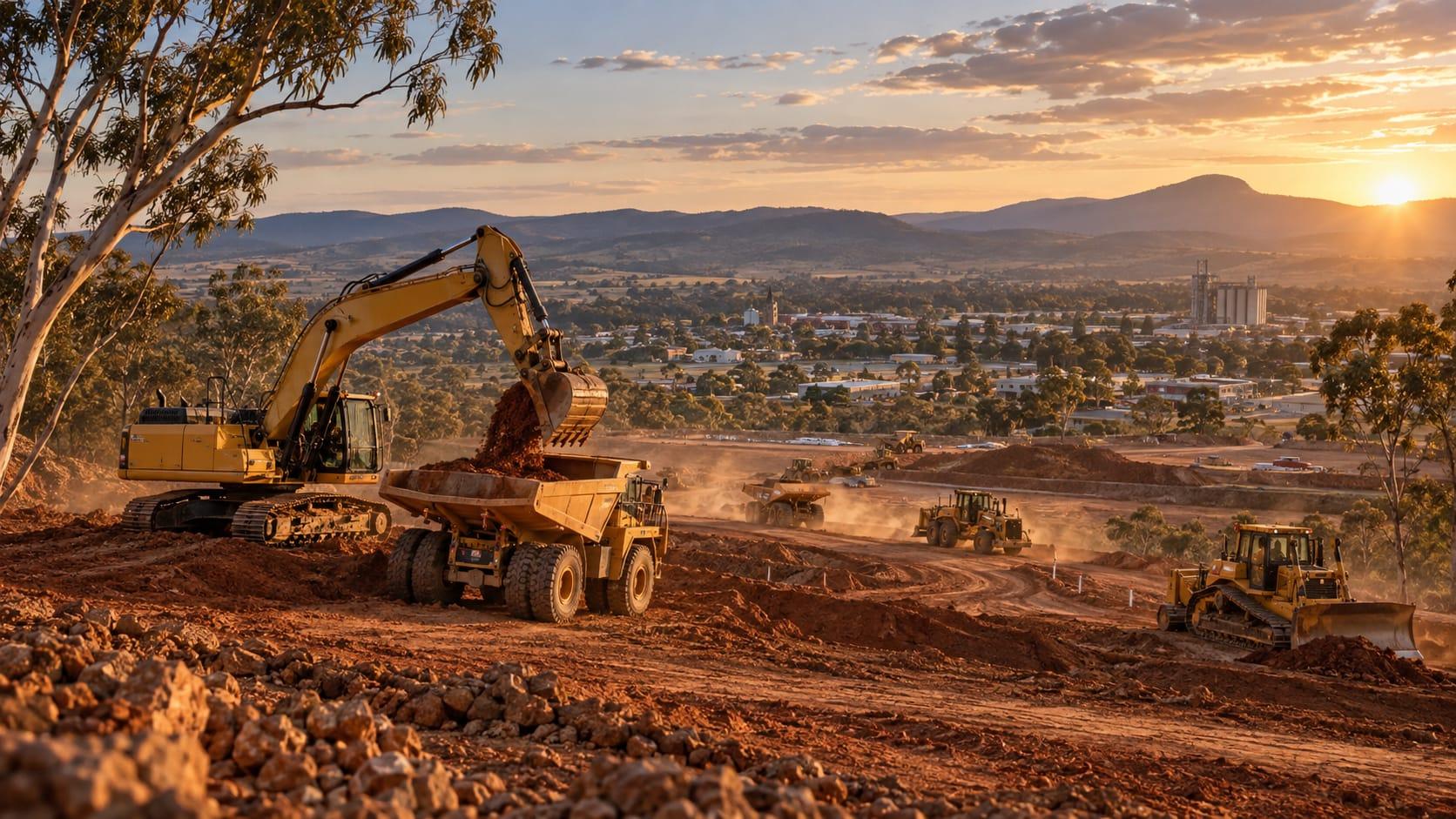
Support fleets cover very different work: haul road maintenance, dump and stockpile management, pre-strip, rehabilitation, tailings works, shutdown support or exploration access. Each has a different utilisation pattern. A haul road grader may run every shift for years; a shutdown crane may be needed for ten days. Stating the work type helps suppliers propose the right commercial model as well as the right machine.
Mine specification is site specific
There is no single national 'mine spec'. Requirements are set by each operator's safety management system, guided by state mining legislation and industry guidelines. Common items include fire suppression, battery isolation, reversing alarms and cameras, flashing beacons, buggy whips, UHF radios, seat belt interlocks, wheel chocks, operator presence systems, collision awareness hardware and site-specific identification.
Ask the site for its plant acceptance checklist and send it to shortlisted suppliers. The key questions are which items the machine already meets, which require fit-out, and how long the fit-out and inspection take. Collision avoidance or proximity detection systems can involve long lead times.
Rosters, operators and fatigue
For wet hire, operators need the site's inductions, medicals, drug and alcohol requirements and verification of competency on the specific machine. State whether the roster is day shift only, 24/7 on a rotating roster, or FIFO/DIDO, and who provides accommodation, flights and meals. Fatigue management plans are normally the operator's, but the hire contract should make responsibilities clear.
Maintenance and availability
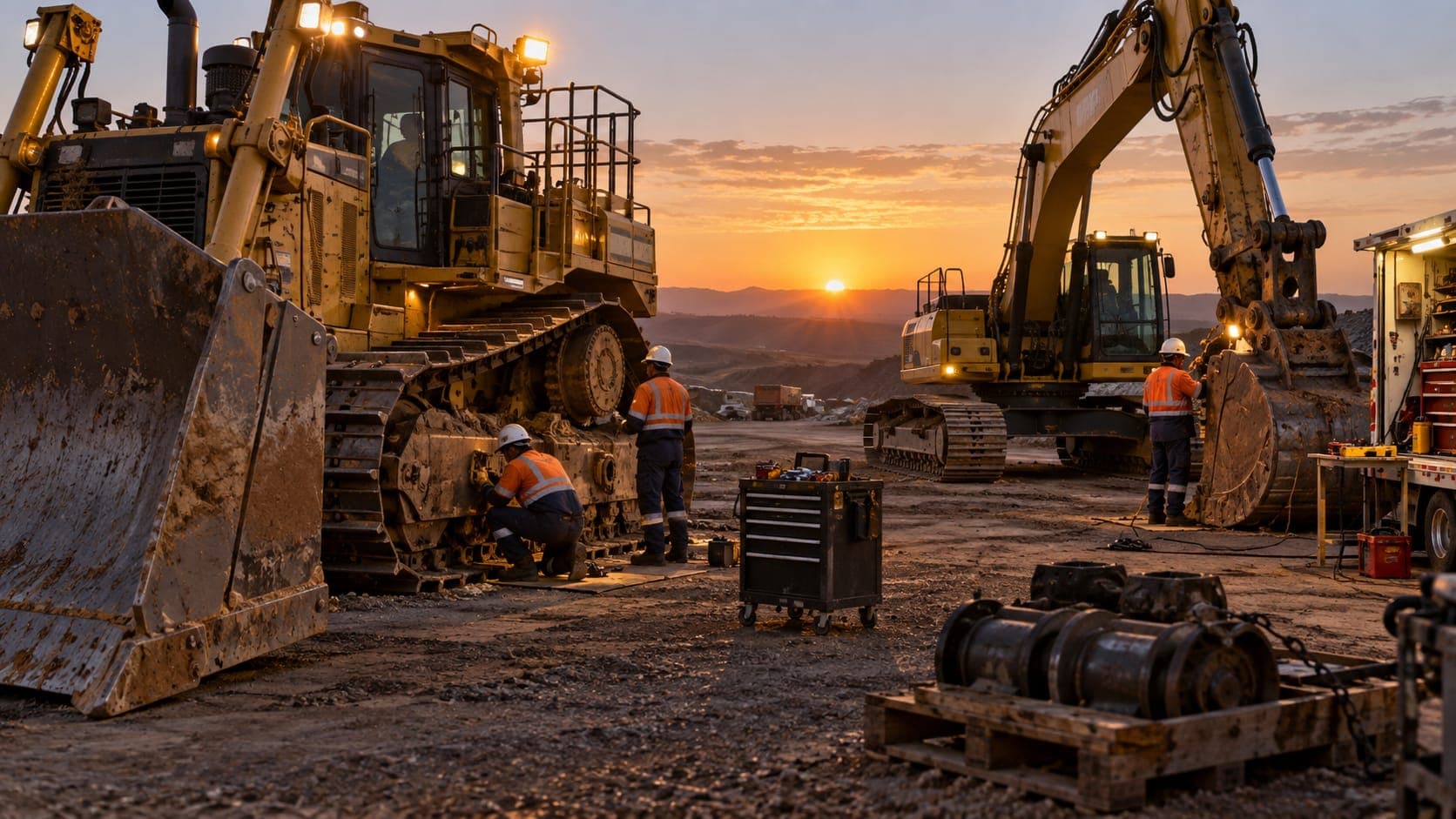
Mines usually track mechanical availability and expect a supplier to meet an agreed target. Clarify service intervals, who carries out servicing, what workshop or wash bay access is available, and how quickly a breakdown must be attended. On remote sites, a supplier's parts holding and fitter location often matter more than their fleet size.
- Agreed availability target and how it is measured
- Service and wash-down facility access
- Breakdown response time and replacement plant
- Tyre supply and management on haul units
Mobilisation and site entry
Build time for transport permits, pre-mobilisation inspection, cleaning for weed and seed hygiene, site acceptance inspection and any modifications into the programme. It is common for a machine to arrive on schedule and then wait days for acceptance because a document or fitment was missing.
The Australian regulatory frame for mine plant
Mining safety is regulated separately from general construction in most states. Queensland coal mines operate under the Coal Mining Safety and Health Act 1999 and metalliferous mines and quarries under the Mining and Quarrying Safety and Health Act 1999, with Resources Safety and Health Queensland as regulator. New South Wales mines fall under the Work Health and Safety (Mines and Petroleum Sites) legislation, regulated by the NSW Resources Regulator, and many NSW sites reference the MDG 15 guideline for mobile and transportable plant. Western Australian mines operate under the Work Health and Safety (Mines) Regulations 2022, administered by WorkSafe WA.
Each mine then layers its own standards on top: principal hazard management plans, a plant acceptance or 'mine-ready' inspection, and specific fitment lists. Hired plant is assessed against those site rules, not against a national standard, which is why the same machine can be accepted at one mine and rejected at the next.
Typical support fleet and how it is sized
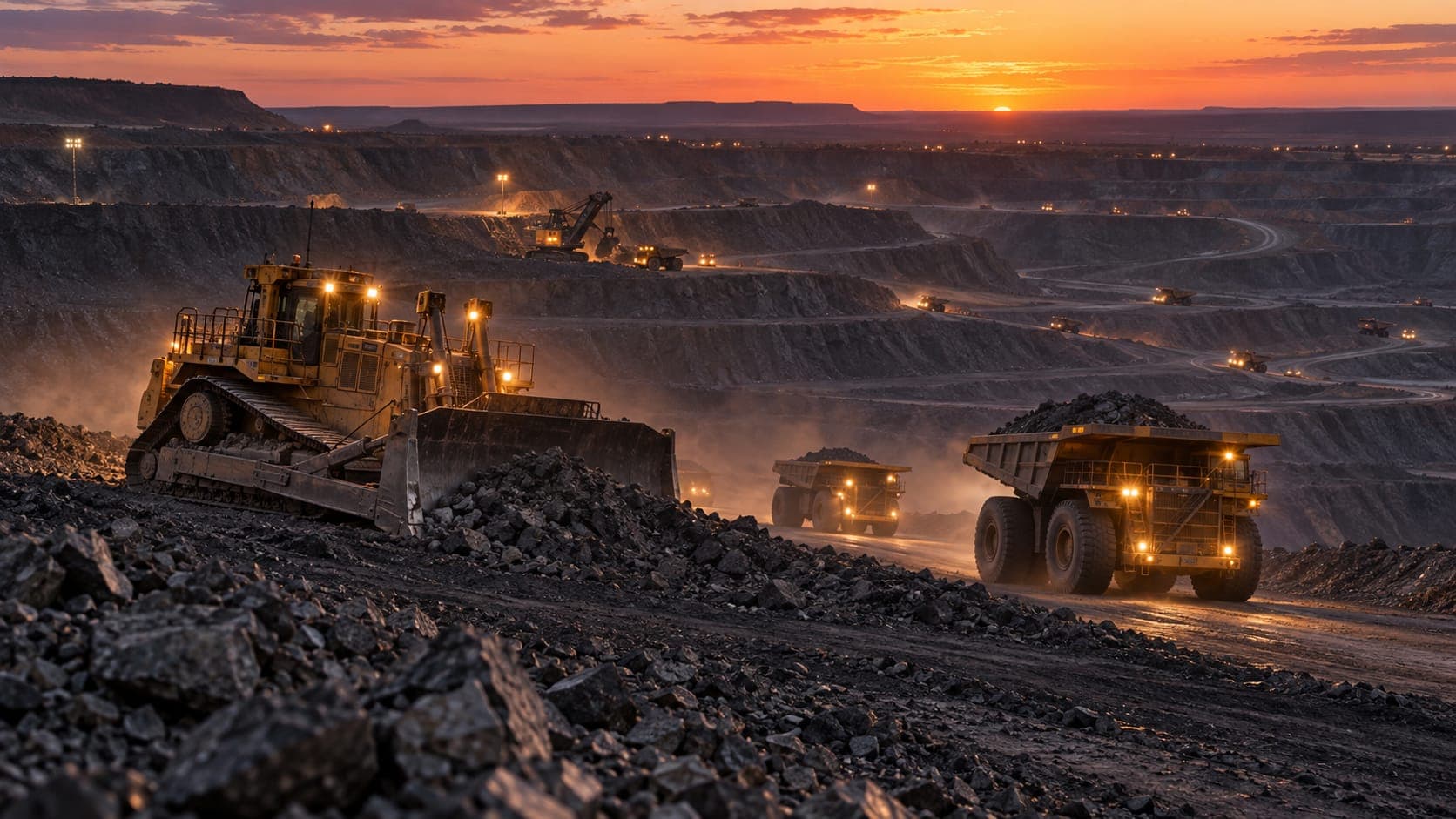
Support fleets are sized around the production fleet they serve. A mid-size open-cut operation with rigid haul trucks in the 180–240 tonne class typically needs 16- or 24-class graders on haul roads, large water trucks (often 70 kL or more) for dust suppression, D10- or D11-class dozers on dumps and at the face, and wheel dozers or loaders for clean-up. Smaller gold, lithium or quarry operations using 40–100 tonne trucks scale down accordingly, often to 14- or 16-class graders, 20–40 kL water carts and D8-class dozers.
Hire rates for mine-spec plant are materially higher than civil rates for the same class, reflecting fit-outs, compliance, roster coverage and remote servicing. Wet hire on a 24/7 roster also needs multiple operators per machine, typically three or four crews to cover a rotating roster with leave.
- Ask for the plant's previous mine acceptance history
- Confirm tyre supply for large haul and support units, which can have long lead times
- Clarify who provides the site's collision awareness or proximity detection hardware
- Agree how roster changes, extended shutdowns or site stand-downs are charged
Illustrative scenario: a haul road maintenance package
A mid-sized gold mine in Western Australia's Goldfields needs a contractor to maintain 12 km of haul roads for a fleet of 90-tonne rigid trucks. The mine specifies a 16-class grader, a 40 kL water cart and a D8-class dozer on a 12-hour day and night roster, 365 days a year, with a 90% mechanical availability target.
The contractor's quote covers four operators per machine to cover the roster and leave, a fitter on site, spare tyres and an agreed replacement machine if a unit is down more than 24 hours. Mobilisation includes transport from Perth, hygiene inspection, mine-spec fit-out of the water cart and a week for site acceptance. The mine compares offers on monthly cost at the target availability, not the hourly rate.
Sample supplier brief
A short written brief gets faster, more comparable quotes. Adapt this example to your job:
“We are seeking a wet-hire 16-class grader and 40 kL water cart for haul road maintenance at a gold mine 120 km from Kalgoorlie, WA. The roster is 12-hour day and night shifts, 2:1 FIFO from Perth, for 12 months with an option to extend. The site plant acceptance checklist is attached.”
“Please confirm which checklist items your machines meet now, what fit-out is required and the lead time, proposed availability target, operator numbers for the roster, breakdown response, and monthly rates including accommodation and flights if you provide them.”
Common questions
What makes equipment mine-spec?
It means the machine meets the specific site's plant requirements. Common items include fire suppression, isolation points, lighting, radios, cameras and identification, but the list varies between operators and sites.
Can civil-spec plant be converted for a mine?
Often yes, but conversion takes time and money. Ask the supplier to itemise the fit-out required against the site checklist and how long acceptance will take.
Who manages fatigue for wet-hire operators?
Usually the hire company for its employees, within the site's fatigue management framework. Confirm this in the contract and the site's induction process.
This guide is general information to help you prepare a better enquiry. It is not engineering, legal or safety advice. Equipment selection, engineering and safe systems of work remain the responsibility of competent project and supplier teams, and regulatory requirements differ between states and sites.