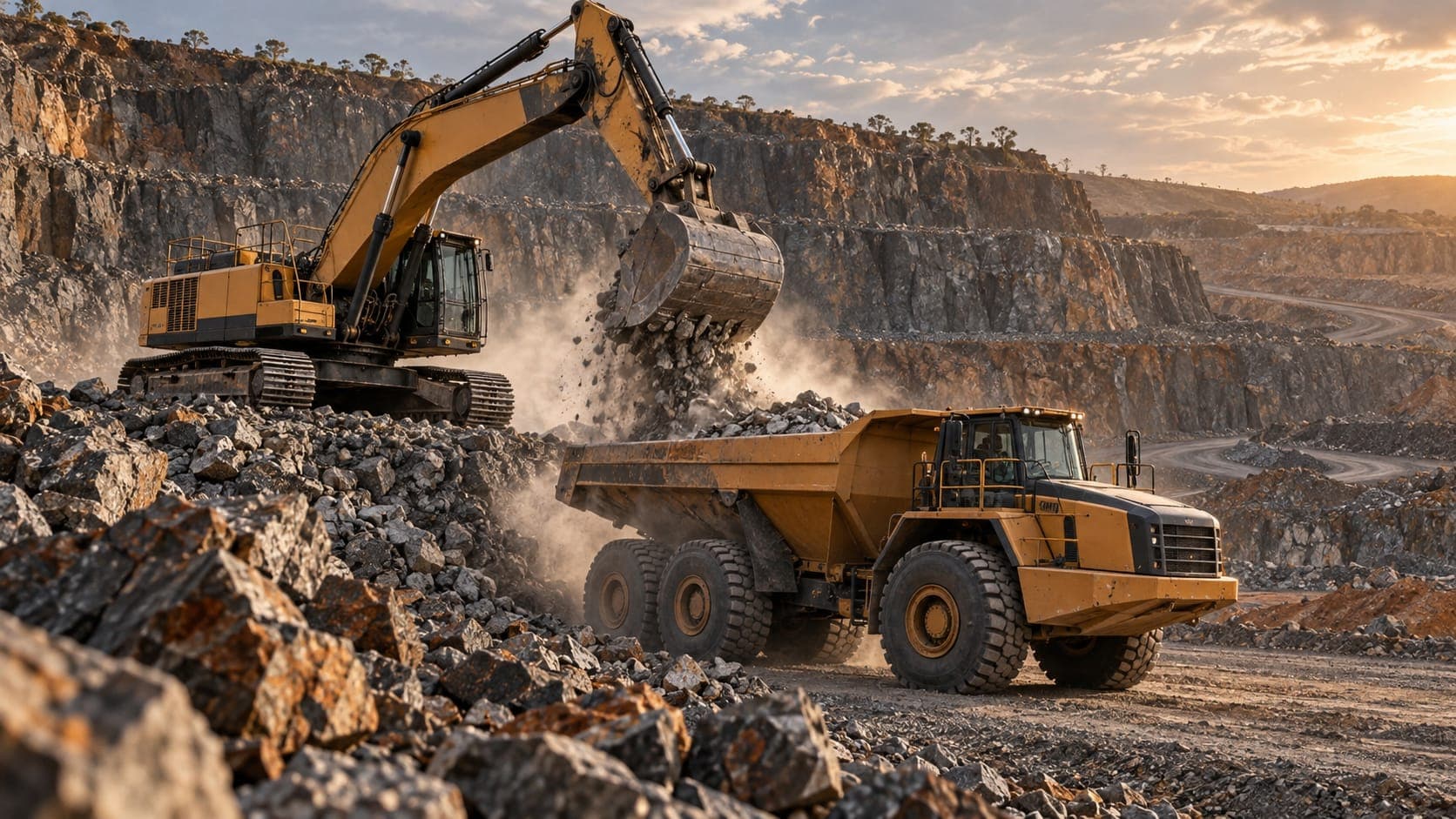
Earthmoving output depends on the whole cycle, not the biggest machine in the line-up. Excavators, dozers, graders, loaders, articulated dump trucks, scrapers and compactors need to suit the material, haul profile, working room and required finish. A well-matched fleet reduces queuing, under-loading and rework.
Before contacting suppliers, describe the cut and fill volumes, material type, haul distance and grades, working hours and access limits. Ask whether attachments, GPS machine control, water carts and final trim are included. For regional work, the transport route and field service plan can materially change the price.
Use the supplier records below as a starting point, then confirm actual fleet, availability, operator competency, site compliance and commercial terms directly with each business.
Describe the material and the movement
Tell the supplier what is being excavated, loaded or spread, the desired output and the working space. Include digging or placement requirements and the attachments being considered. Ask the competent project team to confirm suitability against the actual task.
Compare the carrier and attachment as one package. Record machine configuration, transport loads, included operating hours and whether the offer includes an operator. A nominal machine weight is a starting point for discussion, not a complete selection brief.
Useful starting points for a more productive supplier conversation.
Which excavator size is right for my job?
It depends on material, digging depth, reach, truck size and working room. Share measurable production and access details with the supplier and ask them to recommend a size.
Is wet hire better for earthworks?
Wet hire reduces operator and maintenance coordination; dry hire may suit contractors with competent operators and established plant systems. Compare total cost, not hourly rate.
What does GPS machine control add?
It guides the operator to design levels, reducing survey pegging and rework. Confirm who supplies the design model and correction signal.
Do I need a float to move an excavator?
Most excavators above mini size are moved on a float or low loader. Larger machines may need oversize permits and escorts.
What should I include when requesting a quote?
Tell the supplier what is being excavated, loaded or spread, the desired output and the working space. Include digging or placement requirements and the attachments being considered. Ask the competent project team to confirm suitability against the actual task. Request transport, attachments, included hours and the off-hire process in the same offer.
Are the listed machines available now?
These are published supplier categories, not live stock. Confirm the proposed unit, configuration, dispatch location and availability for your project dates directly with the supplier.