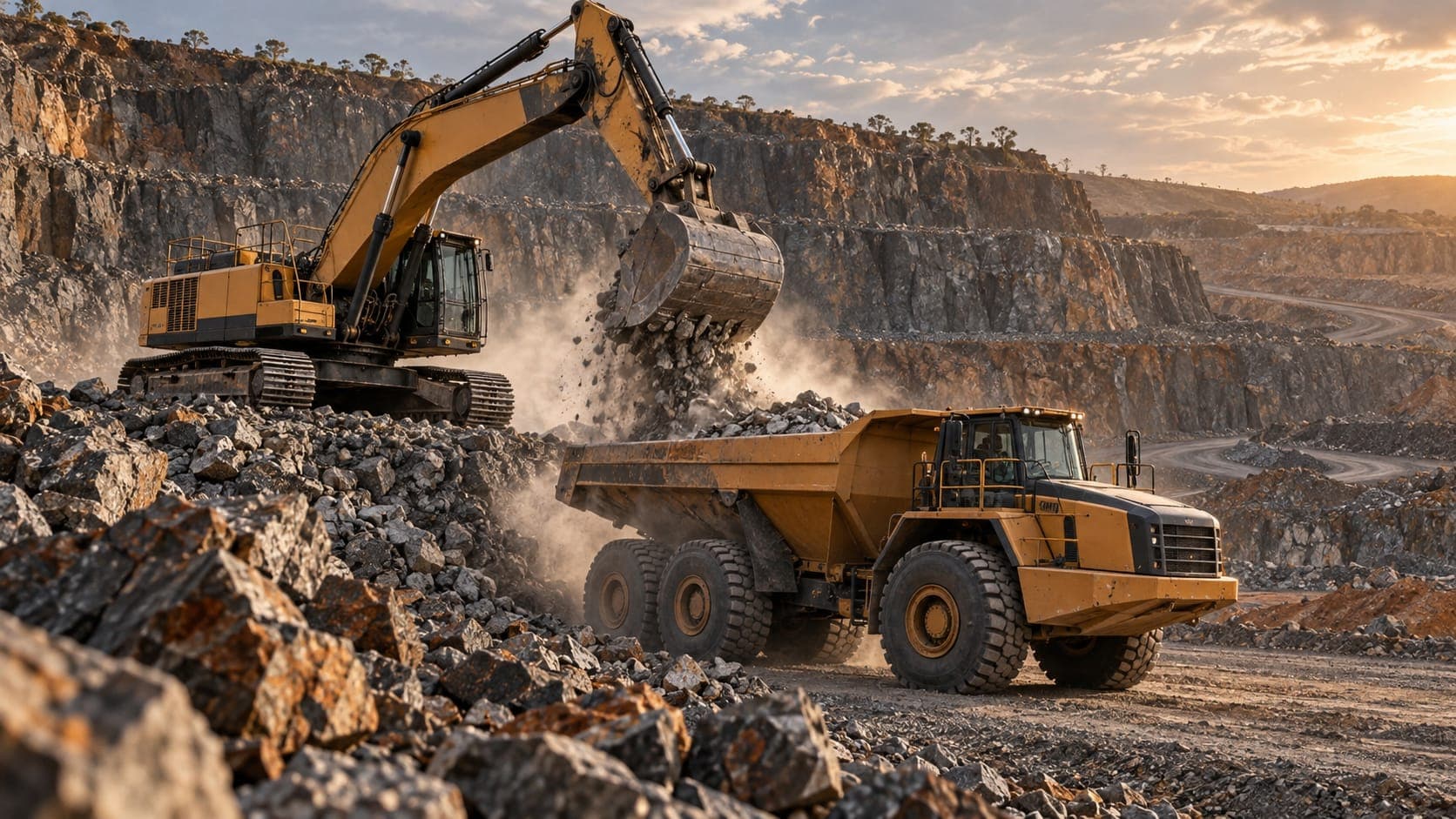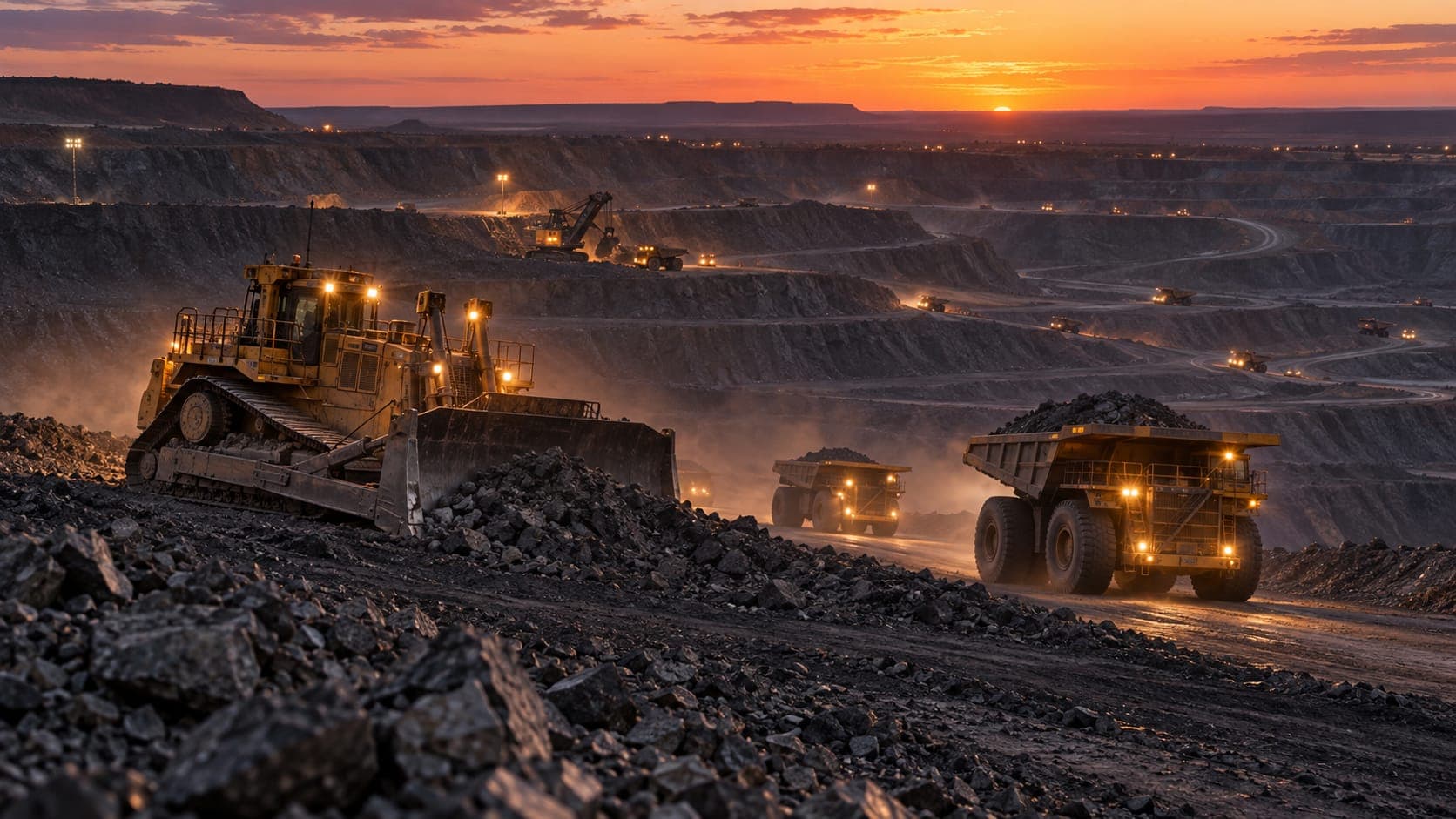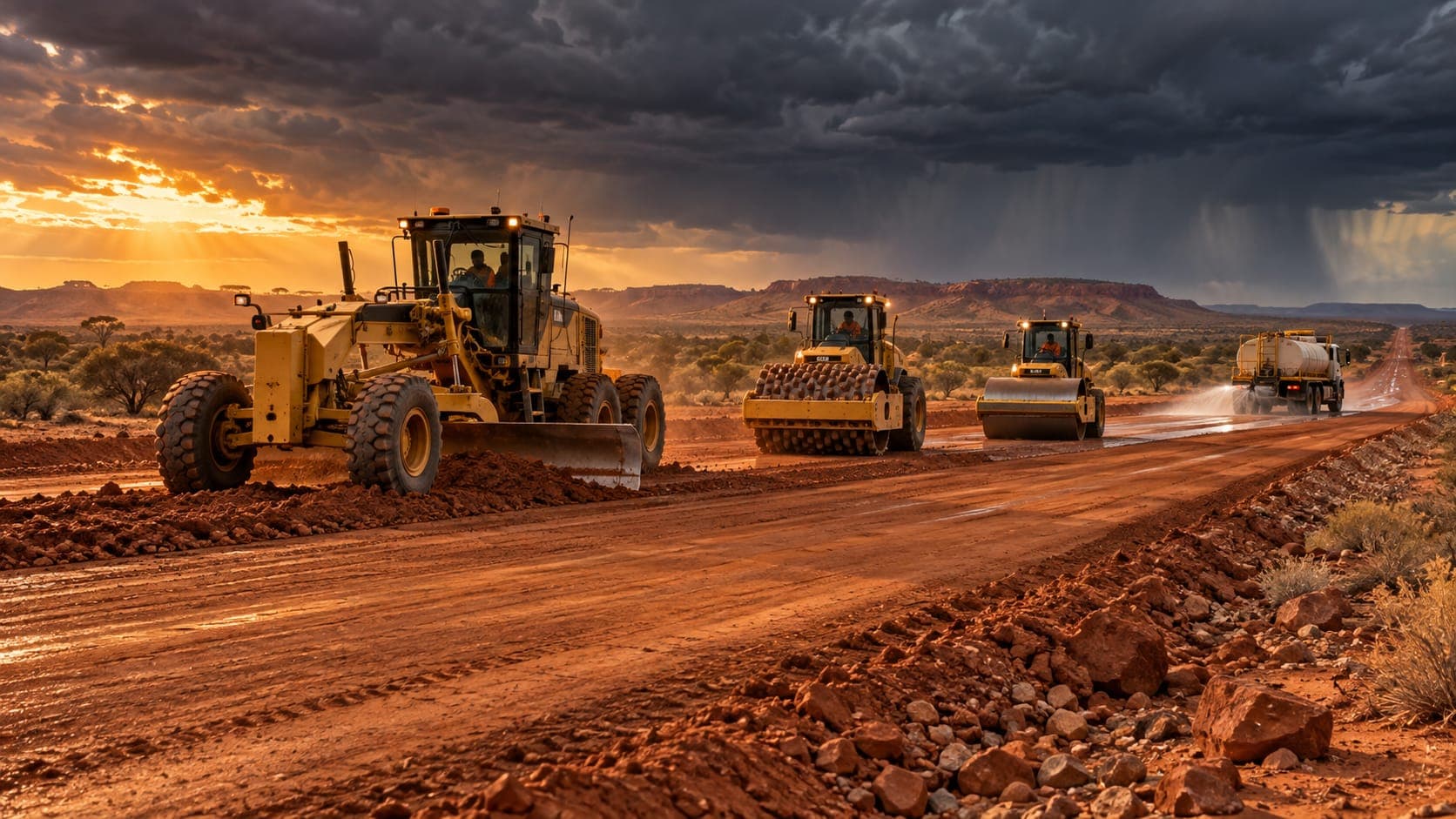
Rail formation works combine earthworks precision with some of the tightest access rules in construction. On operating networks, work happens inside possessions that start and finish at fixed times, so plant reliability and the ability to recover the track on time are as important as production rates.
Editorial planning guidance with illustrative scenarios. No independent professional review is claimed. Read the authorship and evidence policy or report a correction.
Possessions set the programme
Most work on or near live track happens during planned possessions booked with the rail infrastructure manager, sometimes months in advance. Every hour matters: plant must be on site, inducted and ready at possession start, and the track must be handed back safely at the end. Suppliers need possession dates, durations and handback times to plan crews and spare plant.
Access into narrow corridors
Rail corridors often have limited access points, steep embankments, drainage structures and overhead wiring. Identify access roads, level crossings used for entry, laydown areas and any restrictions on plant height or slewing near overhead lines. Road-rail vehicles and excavators may be required where road access is not possible.
- Access points and travel distance along the corridor
- Overhead wiring and slew restrictions
- Laydown and refuelling locations
- Road-rail plant requirements
Network access rules for plant and people
Rail infrastructure managers set their own requirements for plant working in the corridor, including inspections, registration, and operator competencies. Rail-specific safety worker and track protection arrangements also apply. Ask suppliers whether their plant and operators are already approved on the relevant network.
Formation quality
Formation and capping layers have tight tolerances for level, crossfall, compaction and material quality. Graders and dozers with machine control, suitable rollers and water carts are typical. Include the formation specification, testing regime and survey control arrangements in the enquiry.
Recovery and contingency
A breakdown in a possession can delay the handback, with serious consequences. Many rail contractors specify standby machines, on-site fitters and recovery plans. Discuss the supplier's breakdown response and whether spare plant can be positioned near the work.
Rail networks and access regimes in Australia
Australia's rail corridors are managed by several infrastructure managers, including the Australian Rail Track Corporation on the interstate network, Sydney Trains and Transport Asset Holding Entity in NSW, Metro Trains Melbourne and V/Line in Victoria, Queensland Rail, Aurizon on the central Queensland coal network, and Arc Infrastructure in Western Australia. Each has its own access, plant and worker requirements, possession planning processes and lead times.
Workers on most networks need a Rail Industry Worker (RIW) card with the relevant competencies recorded, and the network's own induction. Plant working on or near track typically needs inspection and registration or certification for that network, and road-rail vehicles need additional certification for rail mode. Plan these approvals weeks before the first possession.
Plant for formation, drainage and track support
Formation and capping works typically use 20–30 tonne excavators, D6-class dozers, 12–14 class graders with machine control, smooth-drum and pad-foot rollers and water carts. Where access is along the corridor only, road-rail excavators and road-rail trucks move materials to the worksite. Ballast work, tamping and track laying are done with specialist track machines operated by track contractors, which the formation fleet must coordinate with.
Drainage improvement, a common part of rail maintenance, uses excavators with ditching buckets, suction excavation for services and trenching, and small tip trucks. Short possessions reward quick-coupling attachments and machines already fitted with the network's required equipment.
- Confirm whether plant must be fitted with network-specific equipment such as rail wheels, limiting devices or specific lighting
- Plan refuelling and servicing outside the danger zone where possible
- Check whether overhead wiring requires height limiters or restricted slewing
Common mistakes on rail formation hires
The most expensive mistakes are usually about time, not machines. Plant arrives without network approvals and cannot enter the corridor. An operator's rail competencies have expired. A machine breaks down mid-possession with no standby on site. Fuel runs short because the refuelling point is outside the possession limits.
Another frequent issue is underestimating travel along the corridor. When access points are several kilometres apart, a machine may spend a significant part of a short possession simply getting to the workfront. Map access points and travel times before booking the fleet.
Questions to ask rail plant suppliers
Before booking plant for a possession, confirm:
- Is the machine already approved or registered for the rail network we are working on?
- Do your operators hold current rail safety worker competencies and network inductions?
- Can you provide road-rail equipment if road access is limited?
- What standby plant and fitter support will be on site during the possession?
- How do you charge if a possession is cancelled or shortened?
Illustrative scenario: drainage renewal in a weekend possession
A 48-hour weekend possession on a regional line allows a contractor to replace a failed culvert and reshape 400 metres of cess drain. Access is from a single level crossing 1.5 km away.
The plan uses a road-rail excavator to carry out the drainage work and move precast culvert units, a 20-tonne excavator working from the access track, a tip truck, and a small roller. A standby excavator waits at the access point, and a fitter stays on site throughout. Plant arrives the evening before the possession for inspection and inductions so work can start the moment protection is in place.
Sample supplier brief
A short written brief gets faster, more comparable quotes. Adapt this example to your job:
“We need plant for a 48-hour weekend possession on a regional line in Victoria to replace a culvert and reshape 400 m of cess drain. Access is via a level crossing 1.5 km from the worksite. Possession starts Saturday 00:30 and must be handed back Monday 00:30.”
“Please confirm availability of a network-approved road-rail excavator, a 20-tonne excavator, a tip truck and a small roller, all with operators holding current RIW competencies for the network. Include standby plant, fitter support, rates and cancellation terms.”
Common questions
Do machines need special approval to work in a rail corridor?
Usually yes. Rail infrastructure managers have their own plant and competency requirements. Confirm approvals with the supplier before booking.
What happens if plant breaks down during a possession?
A breakdown can delay the handback. Contractors reduce this risk with standby plant, on-site fitters and a recovery plan agreed before the possession.
What is a rail possession?
A planned period when a section of track is closed to trains so work can be done safely. Possessions are booked with the rail infrastructure manager and have fixed start and handback times.
What is an RIW card?
The Rail Industry Worker card is a national program used by many Australian rail networks to record a worker's identity, competencies and medicals. Networks check it before allowing access.
This guide is general information to help you prepare a better enquiry. It is not engineering, legal or safety advice. Equipment selection, engineering and safe systems of work remain the responsibility of competent project and supplier teams, and regulatory requirements differ between states and sites.