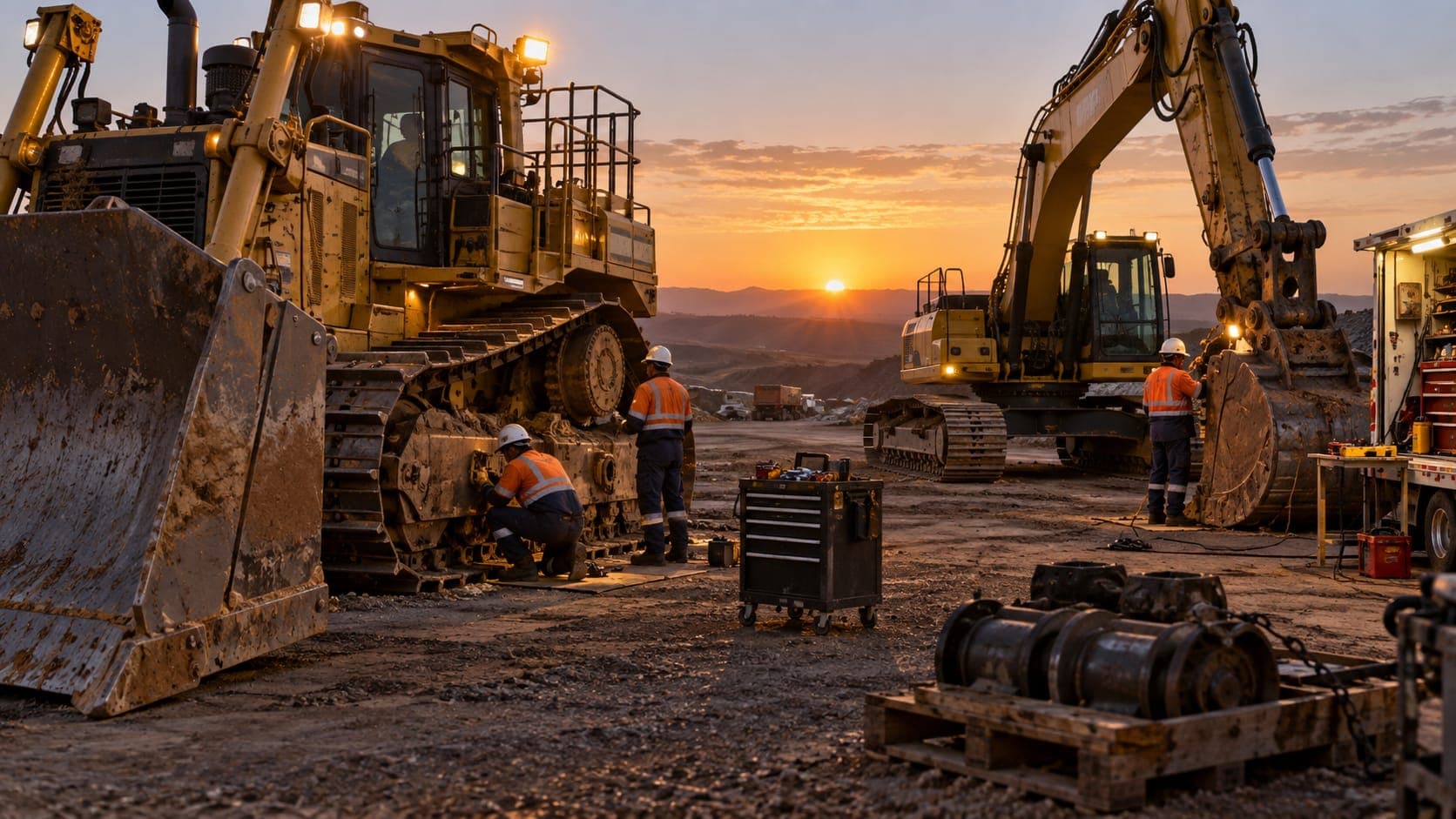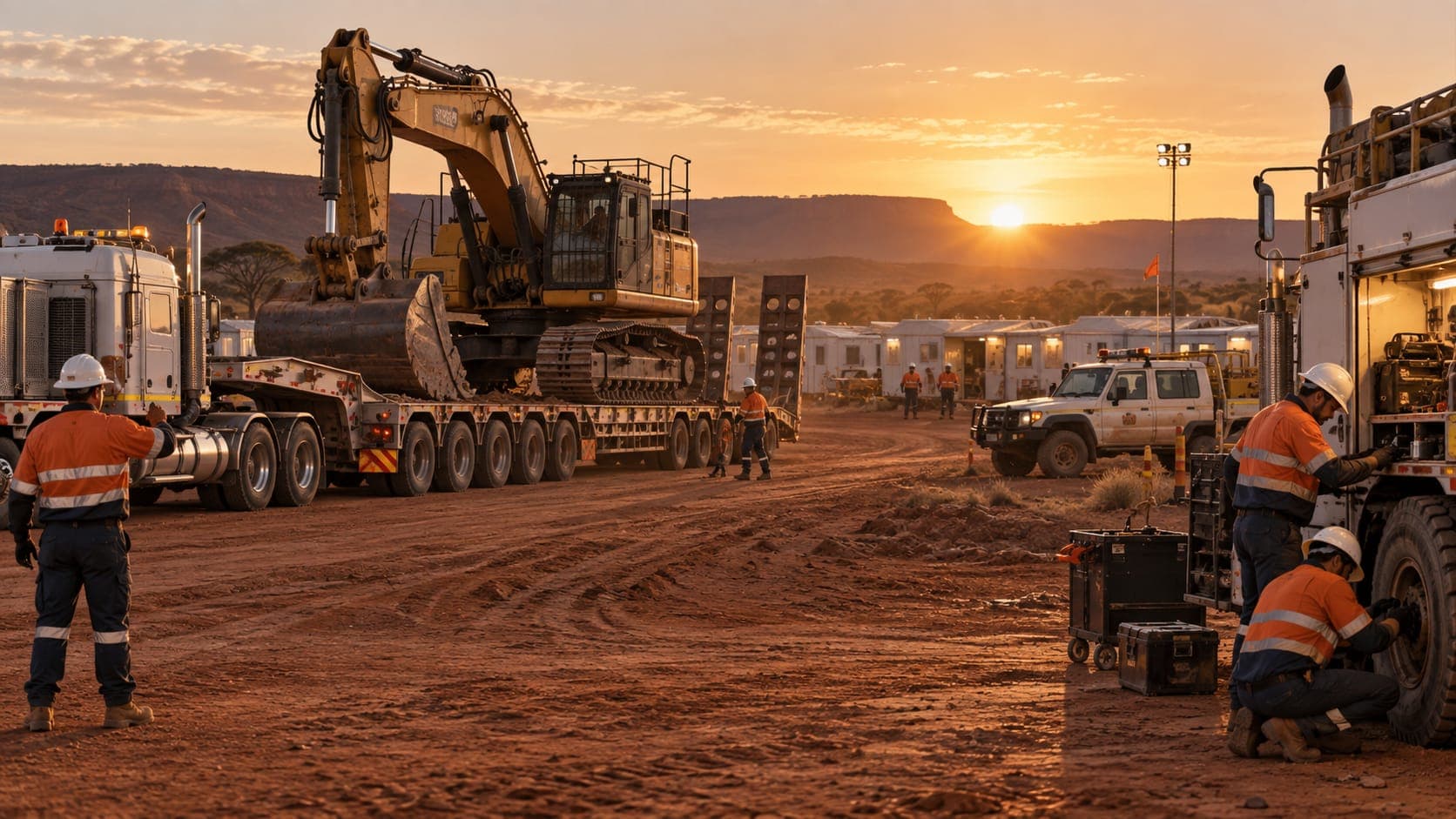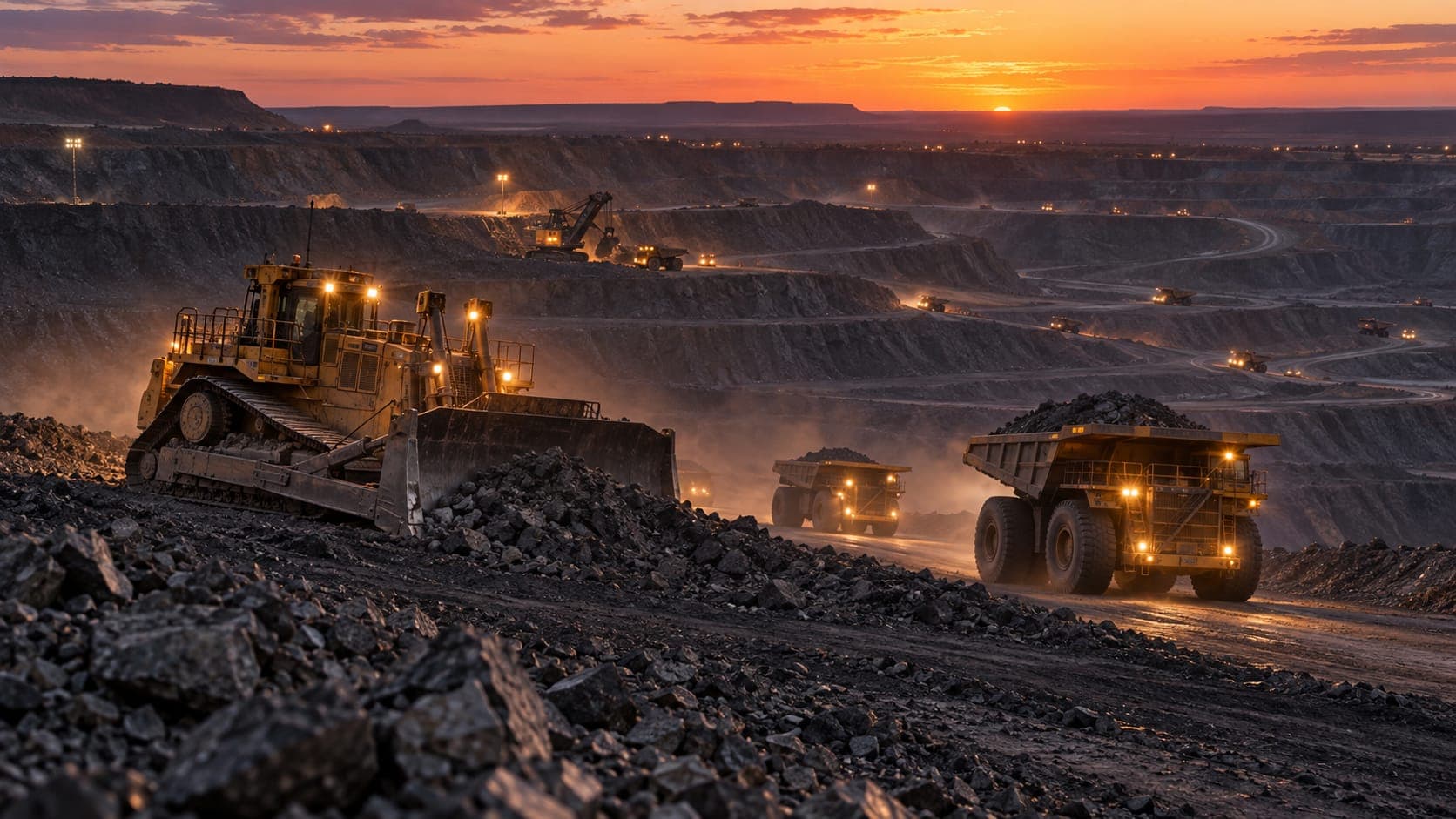
Much of Australia sees long periods of extreme heat. Heat affects both machines and people: engines and hydraulics overheat, tyres and components wear faster, and operators suffer fatigue and heat illness. Planning for heat keeps plant productive and crews safe.
Editorial planning guidance with illustrative scenarios. No independent professional review is claimed. Read the authorship and evidence policy or report a correction.
Machine cooling
Machines working in high ambient temperatures need adequate cooling capacity. Ask suppliers whether machines have high-ambient cooling packages and keep radiators and coolers clean, especially in dusty conditions. Monitor temperatures and allow for derating.
Operator welfare
Air-conditioned cabs are essential. Supply cool drinking water, shaded rest areas and work-rest schedules. Train crews to recognise heat stress, and follow your site's heat management plan.
- Working air conditioning in all cabs
- Cool water and shade
- Adjusted shift times
- Heat illness awareness
Shift timing
Starting earlier and finishing before the hottest part of the day, or working at night, can reduce heat exposure. Night work needs lighting towers and fatigue planning.
Fire risk
Hot exhausts, turbochargers and sparks can ignite dry vegetation or accumulated debris. Clean machines regularly, carry fire extinguishers and consider fire suppression systems. Check total fire ban restrictions: some activities, such as hot work, may be restricted on those days.
Managing heat on Australian sites
Many Australian regions regularly exceed 40°C in summer, particularly in the Pilbara, Kimberley, Northern Territory, western Queensland and inland NSW and South Australia. Safe Work Australia publishes guidance on managing the risks of working in heat, and many principals and mine sites use heat stress indices such as the Thermal Work Limit or wet-bulb globe temperature to set work-rest regimes.
For plant operators, the air-conditioned cab is the main control. A failed air conditioner in 45°C heat can make a machine unusable. Include air conditioning in daily pre-start checks and agree how quickly the supplier will repair it.
- Check air conditioning performance at pre-start
- Provide cool water in each cab and at crib huts
- Adjust shift times to avoid peak afternoon heat
- Train crews to recognise heat illness symptoms
Machine performance in heat
Engines, hydraulics and transmissions all generate heat. In high ambient temperatures, cooling systems must work harder, and dust-clogged radiators reduce their capacity further. Machines designed for Australian conditions often come with high-ambient cooling packages. Tyres also suffer: high temperatures increase tyre wear and failure risk on haul units, especially on long hauls.
Operating in heat may reduce the productive hours per day, particularly if work-rest regimes apply. Factor this into programme and cost estimates.
Fire danger and total fire bans
Australia uses the Australian Fire Danger Rating System, with ratings from Moderate to Catastrophic. On Total Fire Ban days, state fire authorities restrict activities that could start fires, including some hot work and use of certain machinery in the open. Exemptions or permits may be available for essential work with controls. Check the relevant state fire authority's rules — they vary between states — and have fire extinguishers, water carts and cleared parking areas ready.
What it means for the hire agreement
Heat affects productivity and shift patterns, which in turn affect hire costs. If work is shifted to early mornings or nights to avoid the heat, confirm whether overtime, penalty or night rates apply, and whether lighting towers are included. Agree how time lost to heat-related stoppages or total fire ban restrictions is treated.
Ask whether the quoted machine has the cooling capacity for sustained high-temperature work. A cheaper machine that derates or overheats in the afternoon may cost more in lost production.
Common mistakes
Machines with blocked radiators or weak air conditioning overheat or make operators unwell. Crews without enough water or shade suffer heat illness. Fires start from hot machines parked on dry grass.
Check cooling systems and cabs before summer, plan shifts around the heat, and follow fire controls.
Questions to ask suppliers
Before summer work, ask:
- Are machines fitted with high-ambient cooling and working air conditioning?
- Do machines have fire suppression systems?
- How do you manage heat stress for your operators?
- What is your procedure for total fire ban days?
Protecting people outside the cab
Spotters, traffic controllers, labourers and surveyors working near plant are often more exposed to heat than operators in air-conditioned cabs. Provide shade, water and rest breaks for them too, and rotate tasks where possible. Heat can also affect concentration, increasing the risk of people being struck by plant. Reinforce exclusion zones and communication during hot periods.
New workers, and workers returning from cooler regions or leave, are more vulnerable because their bodies have not acclimatised. Many sites gradually increase workloads over the first days for these workers and pair them with experienced crew members who can watch for signs of heat illness.
Illustrative scenario: summer earthworks in the Pilbara
An earthworks contractor on an infrastructure project near Port Hedland faces daytime temperatures above 40°C for weeks. The project uses a heat stress index to set work-rest cycles, and shifts start at 5 am.
Every machine's air conditioning is checked at pre-start. Water and electrolyte drinks are supplied in cabs and crib rooms. Machines are parked on cleared ground at breaks to reduce fire risk, and fire extinguishers are checked weekly. When one excavator's air conditioner fails, the supplier's fitter repairs it the same day, as required by the hire agreement.
Sample supplier brief
A short written brief gets faster, more comparable quotes. Adapt this example to your job:
“We need earthmoving plant for a summer project near Port Hedland, WA, where daytime temperatures often exceed 40°C. Shifts will start at 5 am under our heat management plan.”
“Please confirm each machine has high-ambient cooling, working air conditioning and fire suppression, your response time for air-conditioning failures, and any rate changes for early starts or night work. Also confirm your procedure for total fire ban days.”
Common questions
Can plant keep working on total fire ban days?
It depends on the activity and the state's rules. Some work may continue with controls, while hot work and certain activities are restricted. Check with the relevant fire authority.
What cooling features should I ask for?
Ask about high-ambient cooling packages, radiator cleaning, air conditioning performance and whether fire suppression is fitted.
What is the Thermal Work Limit?
A heat stress index used in some Australian mining and industrial workplaces to set safe work rates and work-rest cycles based on environmental conditions.
Should hired machines have fire suppression?
Many mine sites require it. On other sites it may be recommended in high fire-risk conditions. Ask the supplier whether it is fitted.
This guide is general information to help you prepare a better enquiry. It is not engineering, legal or safety advice. Equipment selection, engineering and safe systems of work remain the responsibility of competent project and supplier teams, and regulatory requirements differ between states and sites.