Demobilisation is often rushed at the end of a project, and that is when disputes arise about cleaning, damage, missing attachments and extra hire days. Planning the off-hire process from the start keeps final invoices predictable.
Editorial planning guidance with illustrative scenarios. No independent professional review is claimed. Read the authorship and evidence policy or report a correction.
Record condition at on-hire
The easiest way to avoid damage disputes is a clear record of the machine's condition when it arrives. Take dated photos and note existing damage, tyre or undercarriage condition, and attachments supplied. Ask the supplier to sign off on the record.
Give notice and book transport
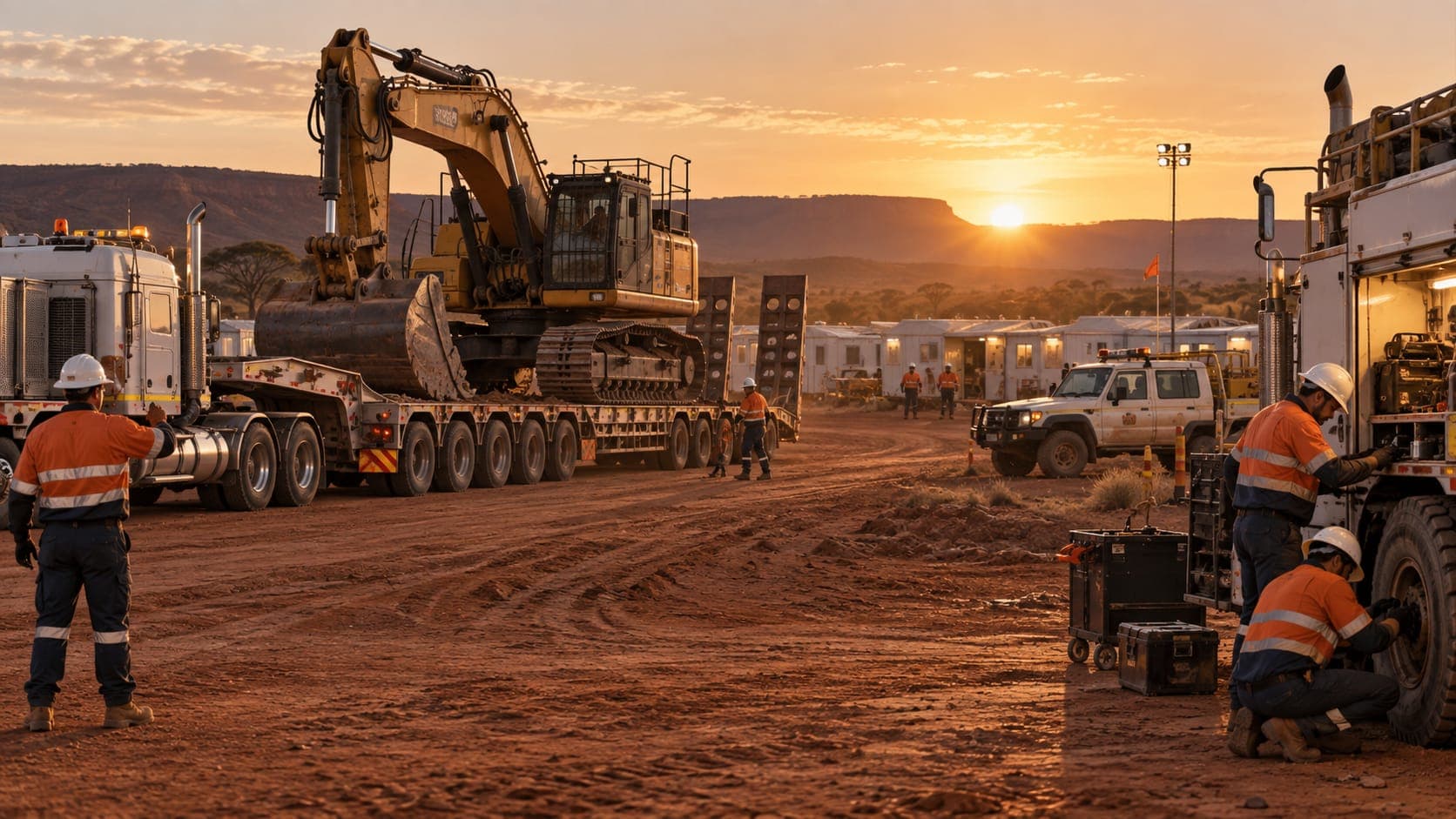
Hire usually continues until the supplier is notified and the machine is available for collection. Give off-hire notice as soon as the finish date is known, and book transport early, especially at the end of the financial year or before Christmas when floats are in demand.
Cleaning and hygiene
Most hire agreements require plant to be returned in a similar clean condition. Some sites and regions also require wash-down to stop weeds, seeds, soil pathogens or contaminants spreading. Allow time and a wash-down area in the programme.
- Wash-down facility and water supply
- Weed and seed hygiene certificates
- Removal of site-specific fittings
- Return of all attachments and keys
Joint off-hire inspection
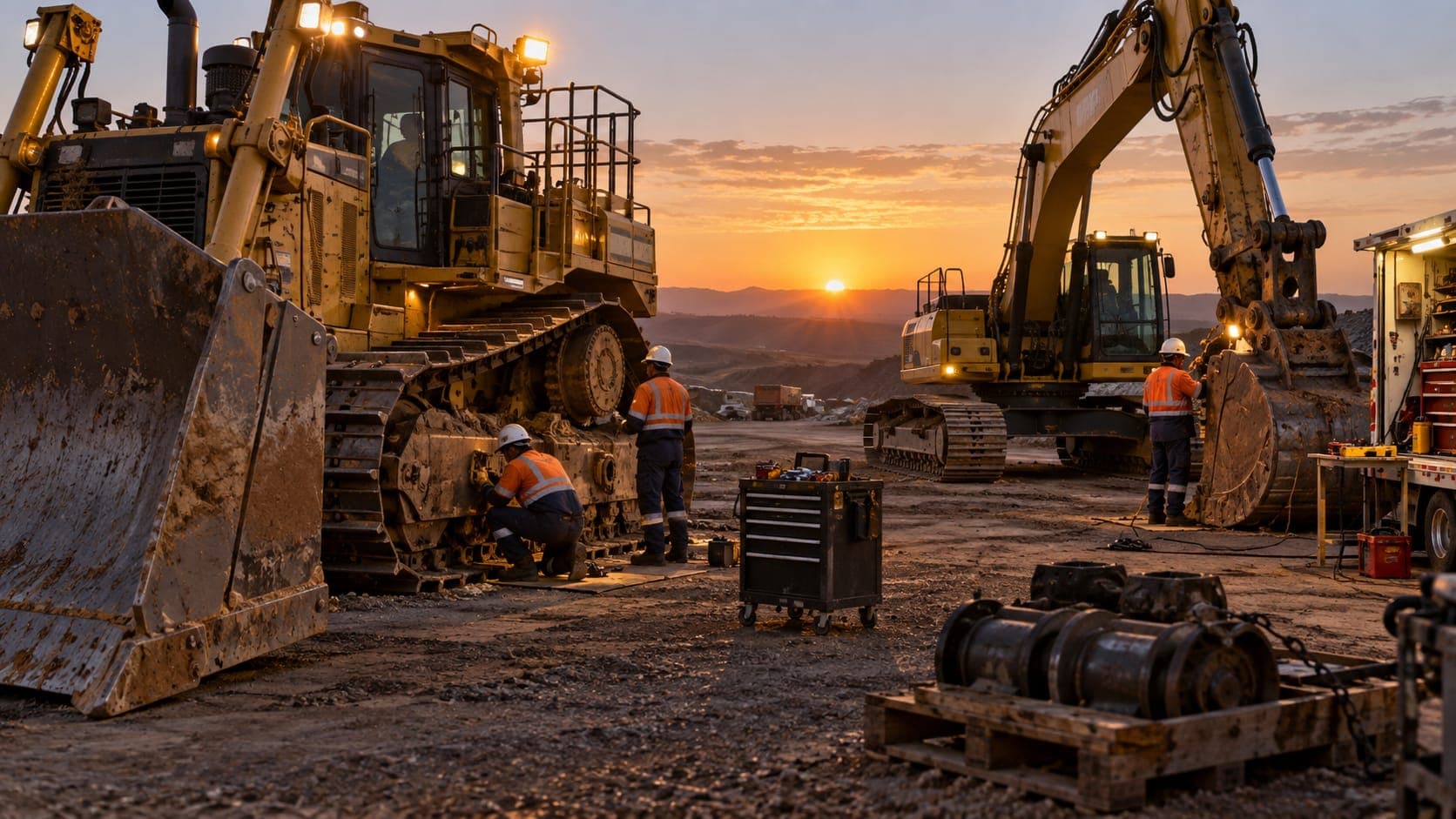
Inspect the machine with the supplier before it leaves site, compare against the on-hire record, and agree any damage in writing. Take photos. Disputes are harder to resolve once the machine is back at the depot.
Final paperwork
Reconcile hours, fuel, standby and damage before the final invoice. Keep dockets and inspection records together with the hire agreement.
Biosecurity and wash-down in Australia
Moving plant between regions can spread weeds, seeds, soil pathogens and pests. Several states and many local councils require machines to be cleaned and inspected before entering or leaving certain areas. Examples include areas with phytophthora dieback in Western Australia and parts of other states, fire ant biosecurity zones in south-east Queensland, and various declared weed zones. Some mine sites and conservation areas require a hygiene certificate before plant can enter.
Cleaning is best done at a proper wash-down facility with water supply, sediment control and a hard stand. Allow enough time: a heavily soiled excavator can take hours to clean thoroughly, and inspection may be required before the machine can leave.
- Check biosecurity zone rules for the origin and destination of the plant
- Keep wash-down records and certificates
- Clean undercarriage, radiators and cabs, not just visible surfaces
- Allow time for inspection before transport
Off-hire notice and final charges
Most Australian hire agreements require written off-hire notice. Hire continues until notice is given and the machine is available for collection, and some agreements charge until the machine is back at the depot. Give notice by email so there is a record, and confirm the collection date.
Final invoices can include cleaning charges, damage repairs, missing attachments, undercarriage wear on long hires and extra fuel if the tank was returned below the agreed level. Agree how each will be assessed, and attend the off-hire inspection so there are no surprises.
Transport planning at the end of a project
Float availability is often tight at the end of June, before Christmas and when several large projects finish at once. Book transport as early as possible. For oversize machines, permits may be needed again for the return journey, and routes or travel times might differ from mobilisation.
| Movement | Project quote |
|---|---|
| Tilt tray or tag trailer (mini to 8 t) | Request a project-specific written quote |
| Semi low-loader float (to about 30 t) | Request a project-specific written quote |
| Oversize float with permits | Request a project-specific written quote |
| Pilot or escort vehicle | Request a project-specific written quote |
Questions to ask suppliers
Before the end of the hire, confirm:
- When does hire stop — at notice, at collection, or when the machine is back at the depot?
- What cleaning standard is required, and what is charged if it is not met?
- Will you attend a joint off-hire inspection on site?
- How are damage and missing items assessed and charged?
Planning demobilisation from day one
The best time to plan demobilisation is at mobilisation. Record machine condition with photos, note attachments supplied, agree the cleaning standard and off-hire notice terms, and identify where machines will be washed and loaded at the end. Keep these records with the hire agreement so they are easy to find months later.
Near completion, walk the site with the supervisor to list which machines can go first. Releasing plant progressively reduces cost and avoids a rush on transport at the end.
Keep one or two versatile machines until the very end for clean-up, site reinstatement and any defect work identified at final inspection.
Illustrative scenario: closing out a pipeline project
A pipeline contractor finishes a 20 km water main in regional Victoria. Twelve hired machines need to be off-hired within two weeks. The contractor gives written off-hire notice to each supplier as each machine finishes, rather than waiting for the whole project to end.
Each machine is washed at a temporary wash-down bay built near the site compound, then jointly inspected with the supplier's representative. Two minor damage items are agreed on the spot and photographed. Floats are booked a month in advance because several projects are finishing before the end of the financial year. Final invoices match the dockets because hours, standby and damage were agreed along the way.
Sample supplier brief
A short written brief gets faster, more comparable quotes. Adapt this example to your job:
“Our pipeline project in regional Victoria finishes on 28 June. We will off-hire machines progressively over the final two weeks, with written notice for each. Please confirm your off-hire notice requirements and when hire stops.”
“We will provide a wash-down bay on site. Please confirm your cleaning standard, whether biosecurity certificates are needed, and arrange a joint off-hire inspection for each machine. Please book return transport now given end-of-financial-year demand.”
Common questions
When does plant hire stop being charged?
Usually when the supplier is notified in writing and the machine is available for collection. Check your hire terms for the exact rule.
Who pays for cleaning hired plant?
Usually the hirer, if the machine is returned dirtier than normal. Some suppliers charge a fixed cleaning fee.
Can I off-hire one machine early?
Usually yes. Give written notice when each machine is no longer needed. Hire generally continues until notice is given and the machine is ready for collection.
Who pays for float transport back to the depot?
Usually the hirer, unless the quote says otherwise. Check whether mobilisation and demobilisation were priced together or separately.
What happens if a machine is returned dirty?
Most suppliers charge a cleaning fee. On some sites and regions, biosecurity rules also require cleaning before the machine can leave.
This guide is general information to help you prepare a better enquiry. It is not engineering, legal or safety advice. Equipment selection, engineering and safe systems of work remain the responsibility of competent project and supplier teams, and regulatory requirements differ between states and sites.