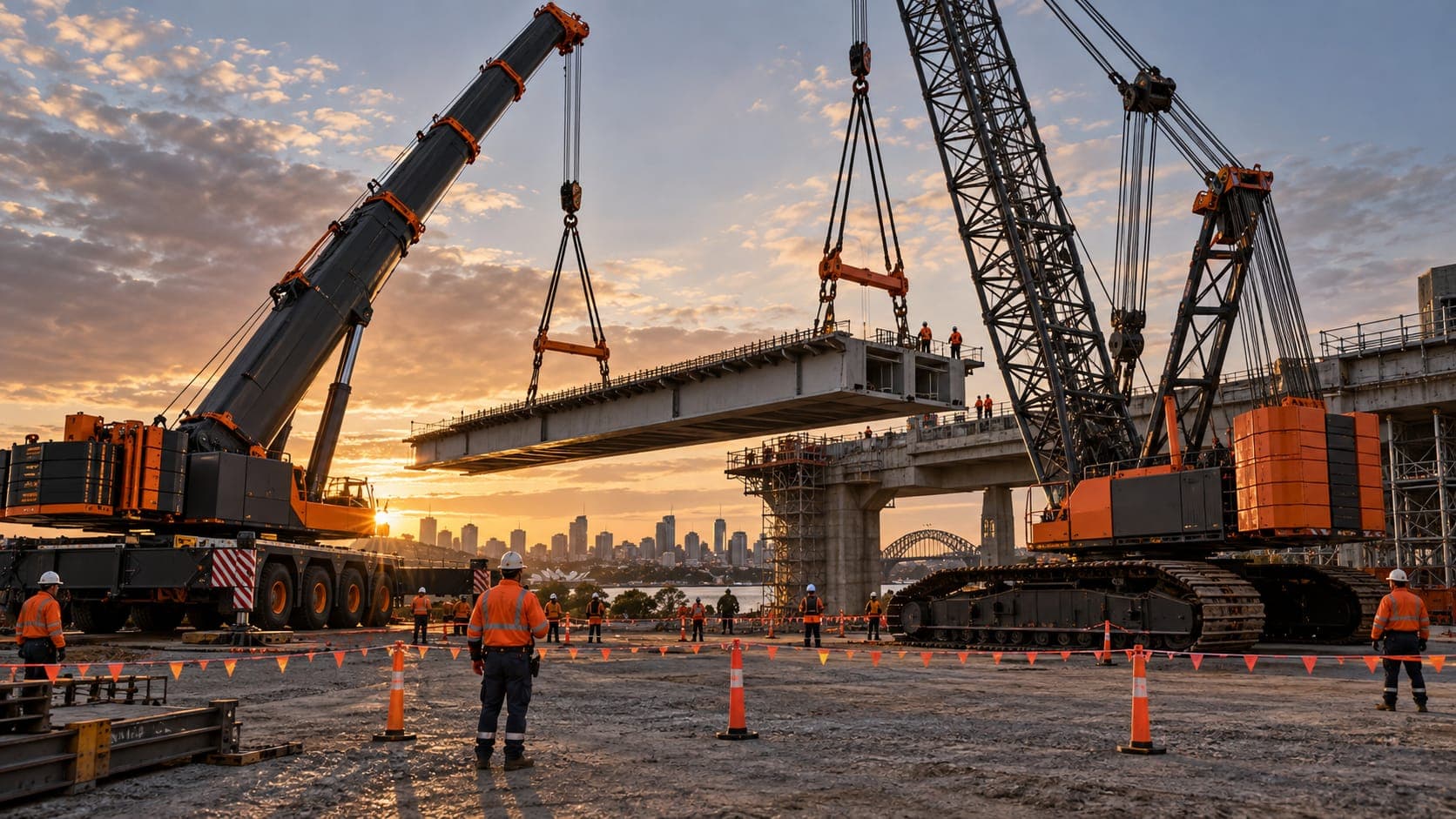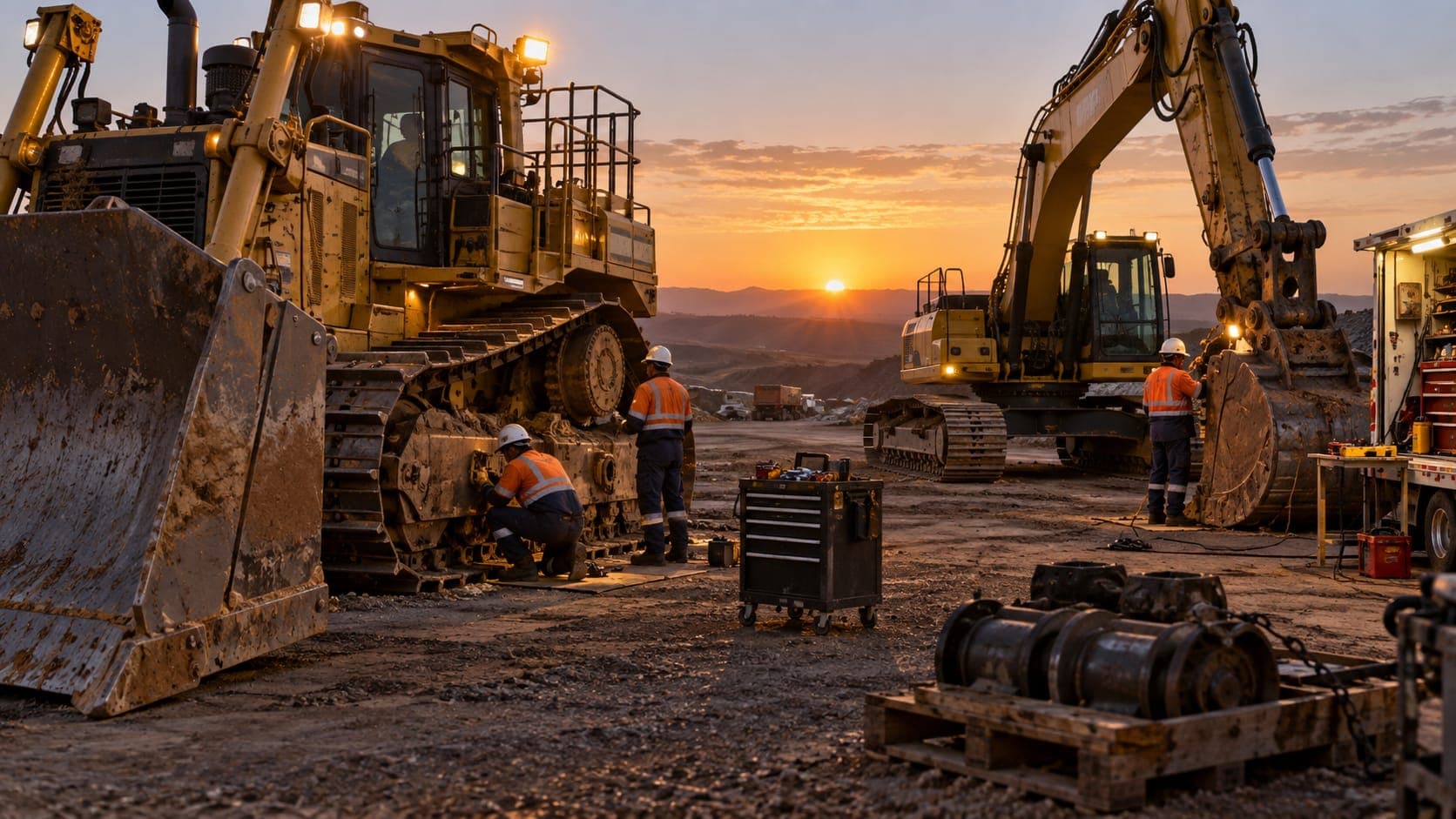
An operated machine is only as good as its operator. Before wet-hire plant arrives, confirm the operator holds the right licences and competencies, has completed site requirements, and is fit for work. Doing this early prevents machines sitting idle while paperwork catches up.
Editorial planning guidance with illustrative scenarios. No independent professional review is claimed. Read the authorship and evidence policy or report a correction.
Licences and competencies
Some plant requires a high-risk work licence, including cranes above set capacities, forklifts, elevating work platforms with booms of 11 metres or more, and dogging and rigging work. Much earthmoving plant does not require a licence under national WHS law but does require evidence of competency, often through nationally recognised training or a verification of competency (VOC).
Many principal contractors require a current VOC for each machine type the operator will use, regardless of licence requirements.
- High-risk work licence where required
- Verification of competency for the specific machine
- Site-specific authorisations
- Current driver's licence for road-registered plant
Site inductions and medicals
Mine sites, rail corridors and some industrial sites require specific inductions, medical assessments and drug and alcohol testing. Send the site requirements to the supplier early, and allow time for operators to complete them.
Fatigue and hours
Long shifts, night work and long travel to remote sites create fatigue risk. Agree maximum shift lengths, rest breaks and travel arrangements, and confirm the supplier has a fatigue management approach for its operators.
Task briefing
Even an experienced operator needs to understand the specific task: the plan, hazards, exclusion zones, communication methods and quality requirements. A good briefing at the start of the job and daily pre-starts help operators work safely and productively.
Licences and competencies in Australia
High-risk work licences are nationally recognised and issued under each jurisdiction's WHS laws. They cover cranes, forklifts, boom-type EWPs with booms of 11 metres or more, dogging and rigging, among others. Earthmoving machines such as excavators, dozers, loaders, graders and rollers generally do not need a high-risk work licence, but operators should hold nationally recognised competencies, commonly from the RIIMPO civil construction units in the Resources and Infrastructure training package, and many sites require a verification of competency (VOC) on each machine type.
Some operators still carry older state tickets from before the national licensing system. These may or may not be accepted by a particular principal, so check early.
| Licence | Covers |
|---|---|
| CN | Non-slewing mobile crane over 3 t (e.g. pick-and-carry cranes) |
| C2 | Slewing mobile crane up to 20 t |
| C6 | Slewing mobile crane up to 60 t |
| C1 | Slewing mobile crane up to 100 t |
| C0 | Slewing mobile crane, open (any capacity) |
| CV | Vehicle loading crane of 10 metre-tonnes or more |
| WP | Boom-type elevating work platform, boom 11 m or more |
| LF | Forklift truck |
| DG | Dogging |
| RB / RI / RA | Rigging basic, intermediate and advanced |
Site cards, inductions and medicals
All construction workers in Australia need a general construction induction (White Card). Beyond that, requirements depend on the site: mine inductions and medicals, rail RIW cards, port security identification, client-specific inductions, and drug and alcohol testing. Some mines require standard industry inductions plus site-specific inductions and fitness-for-work assessments.
These can take days or weeks to arrange, particularly medicals for mine sites. Send the requirements to the supplier as soon as the order is placed.
Fatigue and working hours
Fatigue is a recognised hazard under WHS laws, and many principals set maximum shift lengths, minimum breaks between shifts and limits on consecutive days. Heavy vehicle drivers are also subject to heavy vehicle fatigue rules when driving on public roads. Long commutes to remote sites add to fatigue. Agree shift lengths and travel arrangements in the hire contract.
Common mistakes
Operators turn up without the right tickets or VOCs, or with expired medicals. Site inductions are booked too late. Operators arrive unaware of the task or site hazards. Each of these leaves a machine idle and costs money.
Send the site's requirements to the supplier as early as possible, and ask for copies of licences and competencies before mobilisation.
Questions to ask suppliers
Before accepting an operator, confirm:
- What licences and VOCs does the operator hold for this machine?
- Has the operator worked on similar sites or tasks?
- Can the operator complete our inductions and medicals before the start date?
- What fatigue management arrangements do you have?
Supervision and communication on site
Operator readiness also depends on the site. Assign a supervisor for hired plant, set clear radio channels or communication methods, and include hired operators in daily pre-starts and toolbox talks. Operators who understand the plan, the hazards and who to call work more safely and productively. Encourage them to report hazards and near misses; they are often the first to see ground or access problems developing.
When a new operator joins mid-project, repeat the site-specific briefing rather than assuming the previous operator's knowledge has been handed over.
Illustrative scenario: mobilising operators for a mine-site civil job
A civil contractor is engaged to build a haul road extension at a Queensland coal mine. The mine requires coal board medicals, standard industry inductions, a site-specific induction, drug and alcohol testing and machine-specific VOCs.
The contractor sends the requirements to its plant supplier as soon as the order is confirmed. The supplier books medicals and inductions for its operators two weeks ahead. One operator's VOC for the grader has expired, so a trainer assesses him before mobilisation. On the first day, every operator can start work immediately, avoiding a costly idle start.
Sample supplier brief
A short written brief gets faster, more comparable quotes. Adapt this example to your job:
“We need three wet-hire machines with operators for a haul road extension at a coal mine near Moranbah, QLD, starting in four weeks. Operators require coal board medicals, standard and site inductions, drug and alcohol testing, and a current VOC for the machine they operate.”
“Please name the proposed operators, send copies of their licences and VOCs, confirm medical and induction bookings, and describe your fatigue management arrangements for 12-hour shifts and a 7:7 roster.”
Common questions
Do excavator operators need a licence in Australia?
Earthmoving plant such as excavators generally does not require a high-risk work licence under national WHS laws, but sites usually require evidence of competency, such as a VOC.
What is a VOC?
A verification of competency is an assessment confirming an operator can safely operate a specific type of machine. Many sites require one for each machine type.
What is a White Card?
The general construction induction card required for anyone working on a construction site in Australia. It shows the holder has completed basic construction safety training.
Do old state tickets still count?
Some older state-issued certificates were transferred to national licences; others may not be recognised. Check with the licensing regulator and the principal contractor.
How long does a mine medical take to arrange?
It depends on the provider and site requirements, but it can take several days to weeks. Book as early as possible.
This guide is general information to help you prepare a better enquiry. It is not engineering, legal or safety advice. Equipment selection, engineering and safe systems of work remain the responsibility of competent project and supplier teams, and regulatory requirements differ between states and sites.