Water infrastructure work ranges from farm dams and stormwater basins to large embankment dams, reservoirs and trunk pipelines. What they share is a need to control water during construction and to place materials to a quality standard that protects the finished structure against seepage and failure.
Editorial planning guidance with illustrative scenarios. No independent professional review is claimed. Read the authorship and evidence policy or report a correction.
Embankment material and moisture control
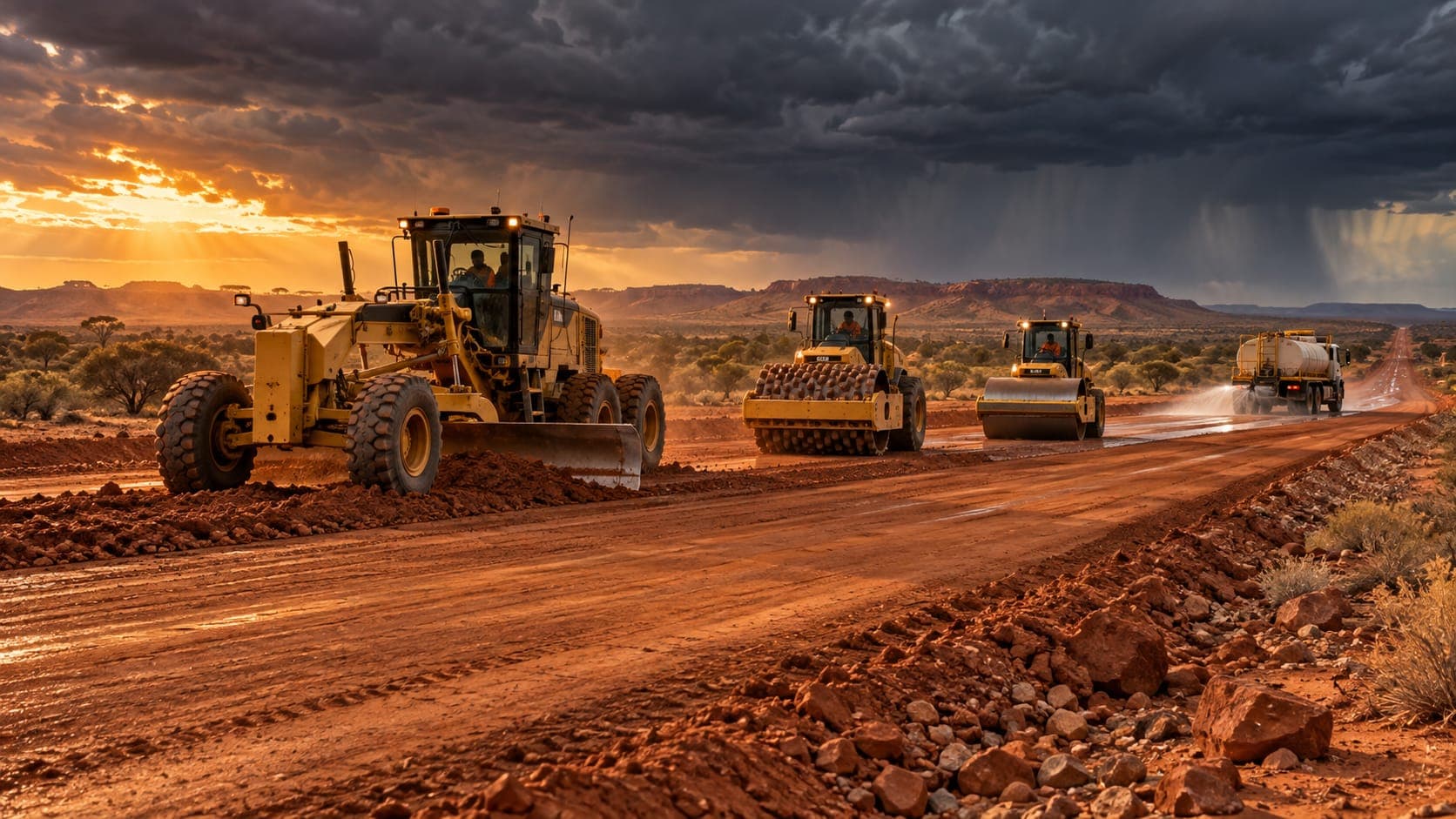
Earth embankments are built from zoned materials: low-permeability clay cores, filters and shoulders of general fill or rock. Each zone has its own moisture and compaction requirements. Pad-foot rollers, water carts, and plant to condition material (discs or excavators mixing in water) are core to the fleet. Tell suppliers the zones, layer thickness and moisture tolerance.
Dewatering and water management
Excavations near water tables, rivers or existing storages need dewatering. Pumps, spear point systems, settlement ponds and discharge controls may be needed, and discharge water usually has to meet environmental conditions. Include groundwater information and discharge requirements so suppliers can size pumps and treatment.
- Groundwater levels and inflow estimates
- Discharge quality and approvals
- Pump size, power source and redundancy
- Monitoring during wet weather
Pipelines and trench works
Pipeline projects need excavators sized to trench depth and pipe diameter, pipe-handling attachments, trench shoring or shields, and compaction plant for bedding and backfill. Long pipelines move daily, so float movements and fuel logistics matter. Confirm pipe weights and lengths so suppliers can match lifting capacity.
Working near water and environmental controls
Plant near waterways needs spill kits, bunding for refuelling, and often biodegradable hydraulic oil. Erosion and sediment controls are normally a condition of approval. Ask whether the supplier's machines can be supplied with biodegradable fluids and spill response equipment.
Structures and specialist work
Spillways, outlet works and intake towers involve concrete, lifting and sometimes working over water. Cranes, concrete pumps, and barges or pontoons may be needed. These are usually separate specialist packages with their own engineering and supervision.
Dam safety regulation and quality expectations
Larger dams in Australia are regulated by state dam safety regulators, and designs commonly follow Australian National Committee on Large Dams (ANCOLD) guidelines. For contractors and plant suppliers this means rigorous quality control: placement records, moisture and density testing, and strict adherence to material zones and layer thicknesses. Farm dams and small storages have lighter requirements but still benefit from the same discipline.
Earthworks for embankments usually require a geotechnical inspection and testing authority on site, and compaction plant must be capable of achieving the specification consistently. Expect testing lots per layer and hold points before the next layer is placed.
Typical fleets for water infrastructure
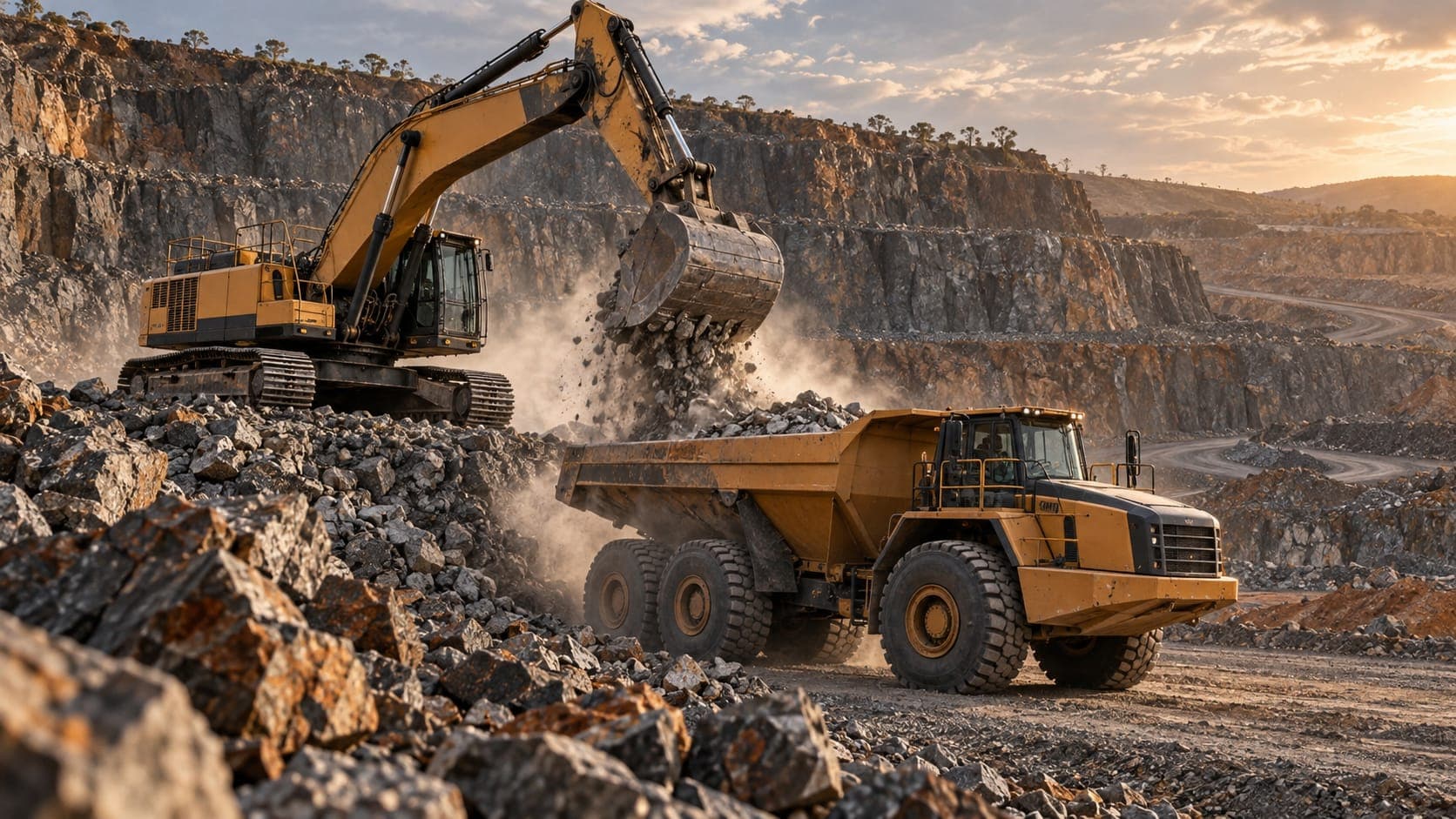
Embankment construction commonly uses 30–50 tonne excavators, 30–40 tonne ADTs, D6- to D8-class dozers for spreading, 15–20 tonne pad-foot rollers for clay cores, smooth-drum rollers for filters and rockfill, and several water carts. Pipeline projects use 20–36 tonne excavators with pipe-laying attachments or vacuum lifters, trench shields and shoring, padding machines where sand bedding is scarce, and compaction plant for backfill.
Reservoir, pump station and treatment plant works add cranes, concrete pumps and piling rigs. These are often separate subcontracts but should be coordinated with the earthworks plant because they share access and laydown.
- Trench deeper than 1.5 m generally requires shoring, benching or battering under WHS rules
- Pipe weights and lengths determine excavator size and lifting certification
- Biodegradable hydraulic oils are often required near drinking water catchments
Dewatering pump selection
Dewatering usually starts with diesel-driven or electric submersible pumps in sumps, stepping up to wellpoint (spear) systems where groundwater must be drawn down around an excavation. Ask suppliers for pump curves matched to your required flow and head, and for standby pumps: a single pump failure overnight can flood an excavation and undo days of work.
Common mistakes on water infrastructure
Underestimating water is the classic error. Groundwater inflows are higher than expected, pumps are undersized, and excavations flood after rain. Having standby pumps and a clear dewatering plan avoids costly delays.
The second is material moisture. Clay for embankment cores often arrives too wet or too dry, and without enough water carts or the right conditioning plant, compaction fails testing. Agree how moisture will be managed before placement begins.
Questions to ask suppliers for water projects
Before committing to a fleet, confirm:
- What experience do you have with zoned embankments or large pipelines?
- Can you supply pad-foot rollers, water carts and conditioning plant as a package?
- What pump capacity and redundancy do you recommend for our groundwater conditions?
- Can machines be supplied with biodegradable hydraulic oil for work near waterways?
- How will you handle wet-weather standby and restart?
Illustrative scenario: raising a farm dam wall
A farmer in central Queensland wants to raise an existing dam wall by 1.5 metres and upgrade its spillway. An engineer designs the wall with a clay core and specifies layer thickness and compaction.
The contractor uses a 30-tonne excavator to win clay from a borrow area, two ADTs to haul, a D6 dozer to spread, a pad-foot roller for compaction and a water cart. The water level is lowered first by pumping to a neighbouring storage. Testing is carried out on each layer. Work is programmed for the dry season to avoid rain and inflows.
Sample supplier brief
A short written brief gets faster, more comparable quotes. Adapt this example to your job:
“We need an earthworks fleet to raise a farm dam wall by 1.5 m near Emerald, QLD, to an engineer's design with a clay core. Clay is won from a borrow area 500 m away. Layer thickness is 200 mm compacted, with density testing by others on each layer. The storage will be pumped down beforehand.”
“Please propose excavator, ADT, dozer, pad-foot roller and water cart, with rates, production, dewatering pump options and a start date in the dry season.”
Common questions
What compaction plant is used for dam cores?
Pad-foot (sheepsfoot) rollers are commonly used on clay cores, supported by water carts and moisture conditioning. Specifications set the layer thickness and density.
Do I need a permit to discharge dewatering water?
Often yes. Discharge conditions depend on the project's approvals and local environmental regulation. Check with the project environmental team.
Does a farm dam need approval to be raised?
It may. Depending on the state and the dam's size and hazard category, approvals or dam safety requirements may apply. Check with the state water or dam safety regulator.
What compaction testing is used on dam cores?
Commonly density and moisture testing by a geotechnical testing authority on each layer, compared with laboratory compaction results for the material.
This guide is general information to help you prepare a better enquiry. It is not engineering, legal or safety advice. Equipment selection, engineering and safe systems of work remain the responsibility of competent project and supplier teams, and regulatory requirements differ between states and sites.